
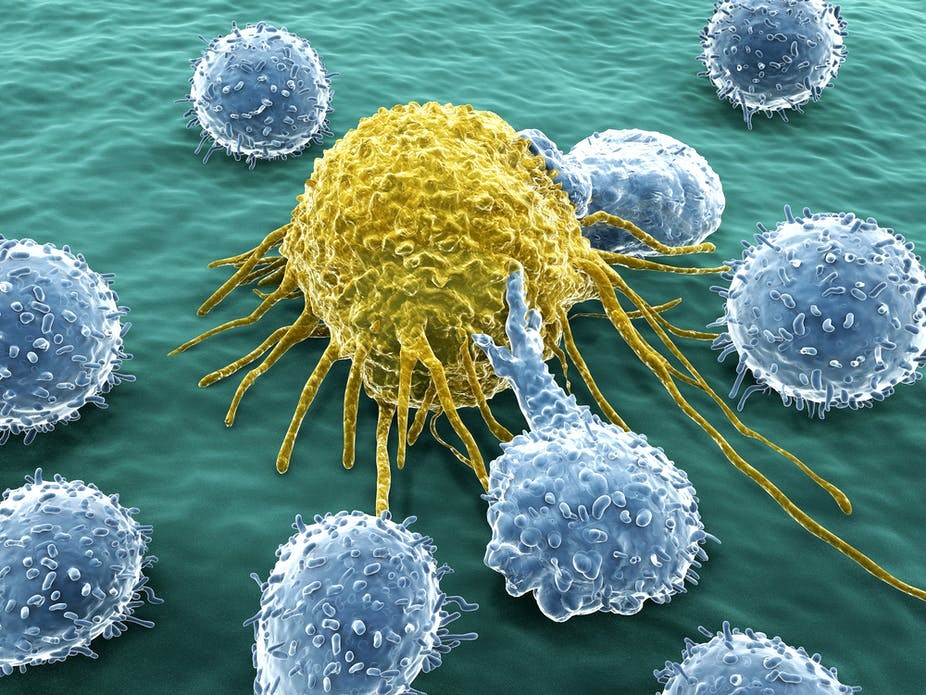
The immune system is a multifaceted and sophisticated network of specialized organs, tissues, cells, proteins, and chemicals, which has evolved in order to protect the host from a range of pathogens, such as bacteria, viruses, fungi, and parasites, as well as cancer cells. It can be divided into epithelial barriers, and cellular and humoral constituents of either innate (non-specific) or acquired (specific) immunity. These constituents interact in multiple and highly complex ways. More than half a century of research has shown vitamin C to be a crucial player in various aspects of the immune system, particularly immune cell function.
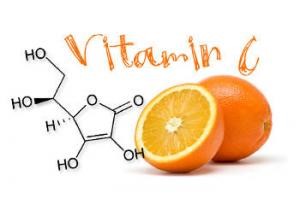
Vitamin C, also known as ascorbic acid, is a water-soluble vitamin essential for the normal growth and repair of connective tissue, namely, bone, cartilage, blood vessels and skin. It is a key for a strong and well-functioning immune.
Interferons are produced when the presence of pathogens is detected. They facilitate the ability of cells to initiate protective cellular defenses.
Phagocytes are a kind of white blood cell that surrounds pathogens and other dangerous particles. Once the intruders are captured, they are digested and neutralized enzymatically.
Some of these primary cells of the immune system have levels of vitamin C up to 80 times higher than the levels found in the plasma.
There are 2 main ways that the body can respond to a pathogen: antibody immunity and cellular immunity. The cell-mediated response refers to the activation of macrophages, natural killer cells, and antigen-specific T-lymphocytes that attack anything that is perceived as a foreign agent.
Cytokines are communication proteins released from certain white blood cells and transmit information to other cells, thus promoting the immune response.
T-lymphocytes are a type of white blood cell. They are an integral part of the cell-mediated immune defense system. Vitamin C helps to keep these important cells alive and viable.
Nitrogen oxide is produced in massive quantities in these cells, and is one of the factors that will kill captured pathogens.
These cells are essential for cell-mediated immune responses, and vitamin C helps to multiply in number.
These white blood cells produce the antibodies as part of the antibody-mediated immune response. These antibodies are formed in response to the initial introduction of an invading pathogen or antigen.
Some pathogenic viruses and bacteria create neuraminidase, an enzyme that keeps them from being trapped in the mucus, one of the natural lines of body defense. By inhibiting neuraminidase, vitamin C helps to optimize this defense mechanism of the body.
Good antibody function is important for a healthy immune system.
Natural killer cells are small lymphocytes that can attack directly cells, such as cancer cells, and kill them
Prostaglandins are hormones – compounds that control a variety of physiological processes, including regulation of T-cell function.
Circular GMP plays a leading role in regulating various physiological responses, including immune responses. Circular GMP is important for normal reproduction and differentiation (specificity for specific purposes) of cells. Circular GMP also controls the action of many hormones, and appears to mediate relaxation of smooth muscle.
Vitamin C and hydrogen peroxide can kill microorganisms and can dissolve the protective granules of certain bacteria, such as pneumococci.
This effect of vitamin C is important for supporting the immune to local factors.
It plays an important role in neutralizing the ROS (reactive oxygen species) produced as the result of oxidative stress.

This property helps to fluidize fatty secretions, increasing immune access to infection.
Vitamin C is an ardent supporter of healthy immune function.
by: Hira Gull




Leave a Reply
You must be logged in to post a comment.