
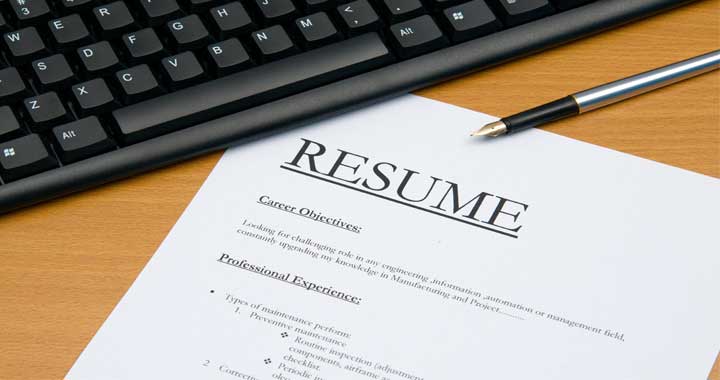
Many fresh graduates are overwhelmed by the pressure of getting a good job and making a resume that tells each and every trait they have ever possessed. What students are not told is that they have to think from the employer’s perspective, when making their resume. Sitting in front of a desk with piles of resumes, the interviewer will probably decide the fate of your resume before landing to “My Interest” section of your resume. Thus, to augment your chances to be face-to-face with the HR or recruitment manager of the company you have applied for, you should be aware of some untold secrets that often become decisive when it comes to choosing one candidate from the rest.
1. Knowing the Difference between a CV and Resume
If you have searched the internet, you might have seen detailed profiles of people, who have applied for a position. Those are CVs made by people with adequate working experience to support their standing interview standing. If you are a fresh graduate or have meager experience, you are not supposed to make a CV, but a resume. A resume is a short summary of your career goals, qualifications, experience and interests. It should highlight your qualification and experience parts more than the rest as this is what the employer is interested in, but make sure that you do not exceed 2 pages at any cost, 1 being most preferable.
2. The “Objective” Part of Your Resume
“I want to enhance my skills by working in a professional organisation.” This is one of the most cited statements in the objective part of the resume, and it has lost its meaning due to over usage. Think from the employer perspective. S/he is not really interested in what you want to gain from the organisation, but what the organisation will gain from you. A better practice is to replace the objective part with an opening paragraph about your expertise, objective, etc, which should not be more than 2 lines. This should bear the heading of “Profile”, and will give the opportunity to the profile reader to get a good idea about the candidate without reading the entire resume. These few lines, if written properly, can push the employer to read the entire resume.
3. The Reference Part
“Will be provided upon request.” This is another taboo that should be avoided in resume writing. If the manager looking at your CV wants to double-check, he/she will not have any person to contact to. Moreover, when you will be sitting on the interview chair, you might be asked to tell about the person you have worked with and your terms with that person. So, it is good to mention that in your resume (name, email address, and phone number).
4. Making It Attractive
Your resume should not look like an “Essay on Myself”. You should add text in the form of tables, add bullets or anything that can make the overall resume look more attractive. This is where your creativity will be tested. It is also recommended to add your passport size photo, at the beginning of the resume, which will serve as the remembrance factor for your resume.
So should give some time on Google to see how others have made their resumes, and then the select good points from different resumes before making one. Times New Roman is the standard font style, and it is preferred to use this font style when making a professional resume.
Author bio:
 Katherine Brunt is an academic consultant by profession and assist students in their research writing and dissertation making assignments. Students can also buy assignments online through her social networking channels.
Tags: article, graduates, Resume writing, untold secret
You must be logged in to post a comment.




Katherine Brunt: well that’s would be help full, but i have few question to ask. what if hire some to write assignment for me, do you think its illegal? i am just curious. like these guys http://www.quickcourseworkhelp.co.uk/buy-coursework-online.php
I through that CV and Resume are same things but this is different , this post is helpful because Resume writing is first step of starting career.