
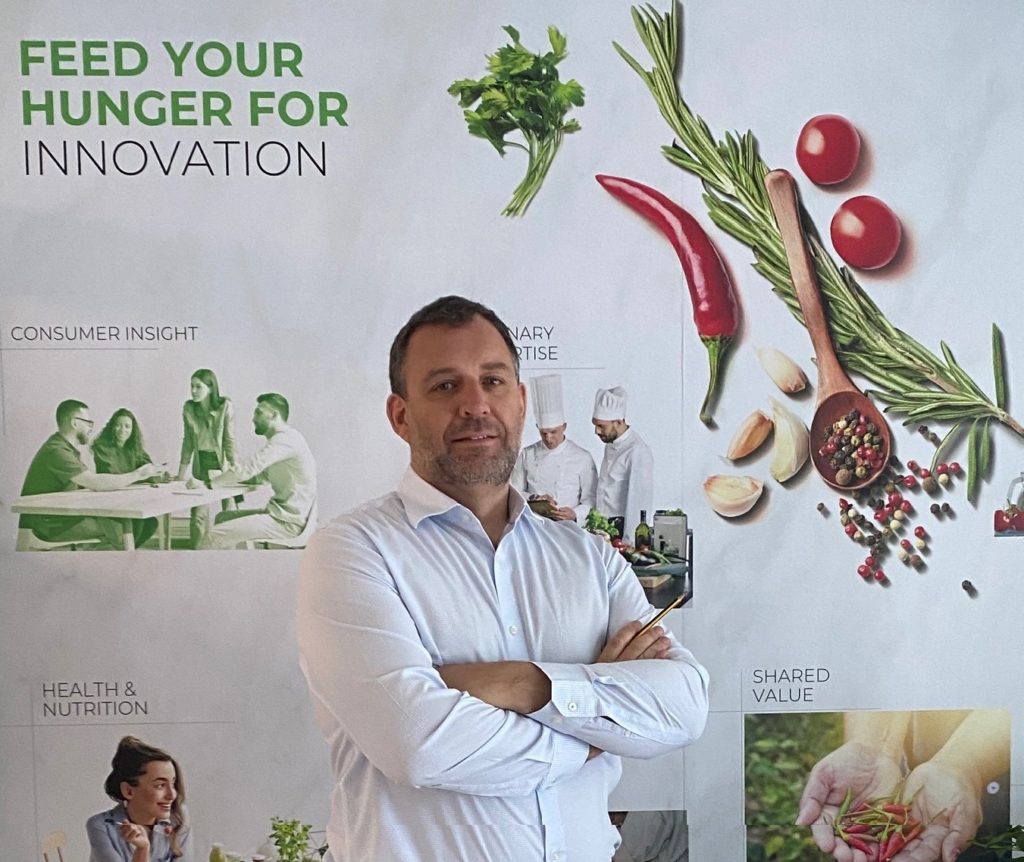
Richard Pattinson , General Manager, GRIFFCO Foods
The FMCG industry has been feeling the heat to keep up with the ever-changing digital landscape. AI integration is emerging as a refreshingly cool and sustainable quencher. As a result, many companies have turned to artificial intelligence (AI) as a key strategy for driving innovation and growth to stay ahead of the curve. So far, investment in AI by consumer goods companies has been sporadic and without a coherent strategy. However, artificial intelligence (AI) is increasingly becoming a powerful tool within the FMCG sector, providing manufacturers with the ability to create more flavorsome food products that are more accessible to consumers. AI is also becoming increasingly important in the development of new food products. Using data and machine learning, AI can help identify trends and develop products that are more likely to be successful. In the Gulf region, where there is a growing demand for healthy and halal food, AI can be used to develop products that meet these needs. In the food technology sector, AI is also being used to develop new methods of food production and processing. This includes developing more efficient ways to grow crops and rear livestock, as well as introducing new methods of food preservation. AI tools are also proving to be useful in creating new packaging designs that are more sustainable and reduce waste.
As food security becomes a major concern globally, AI can play a vital role in ensuring that the right products are being produced and delivered to consumers. By simply using data analytics, AI can help identify patterns in customer behavior and preferences. This information can then be used to forecast demand, adjust production levels, and make sure that the right products are available at the right time. In addition to helping with food security, AI can also help FMCG companies become more sustainable. By using data to optimize production and distribution, AI can help reduce food waste and environmental impact. In the long run, this could lead to significant cost savings for FMCG companies. This data-driven approach can help businesses save time and money by reducing the need for expensive and time-consuming market research. For example, computer vision and machine learning can be used in mobile channels to provide consumers with customized recommendations based on their individual preferences. Additionally, AI can be used to automate manufacturing and supply chain management processes intelligently. This can help businesses reduce waste, improve efficiency and optimize production costs.

According to studies, the global ecommerce market grew from $399bn in 2010 to $2.2 trillion in 2020, and it is expected to reach $2.8 trillion in 2023. This shows that online demand will remain strong post-pandemic, and brands must therefore consider digitalization, even in areas where ecommerce may not be commonplace yet. One area where this is particularly relevant is food choice. Consumers are becoming more aware of the importance of healthy eating, and they are looking for ways to make more informed choices about the food they eat. Digital tools can help brands provide consumers with the information they need to make healthier choices. For example, AI can be used to analyze data about food products and identify which ones are more likely to be healthy. This information can then be used to create personalized recommendations for individual consumers.
AI has the potential to transform the FMCG sector by making food more accessible, affordable, and sustainable. In a world where consumers are becoming increasingly environmentally conscious, AI presents a unique opportunity for businesses to create products that meet these demands. For example, plant-based meat products have become popular in recent years as they offer a more sustainable and healthier alternative to traditional meat products. However, many of these products lack the taste and texture of real meat. This is where AI comes in. By using data from consumer surveys and DNA analyses, companies can create alternative protein products that taste indistinguishable from their animal-based counterparts. This could potentially revolutionize the way we think about meat consumption and make it more sustainable and ethical.
Food companies are now beginning to be dedicated towards making an impact on our changing planet and alternative proteins have already demonstrated positive change on the environment and animal welfare. Plus, they represent an environmentally friendly and more sustainable way to feed the world’s growing population. Our functional innovations at Griffco are designed to optimize everything from flavour and colour to binding capabilities and preservations. In addition to our product portfolio, our collaborative process integrates in-depth industry and market insight, culinary artistry, and technical expertise to ensure our partners’ products are developed to succeed in the marketplace.
Innovation and artificial intelligence (AI) are two major forces driving change within the FMCG sector. AI can help companies streamline operations, reduce costs, and increase efficiency, all contributing to economic recovery. In addition, AI-driven production efficiencies can help stabilize prices, limiting the costs passed onto consumers through price increases. But AI isn’t just about cost savings – it can also drive innovation by reducing the time to market for new products. AI can target what consumers want using machine learning, allowing companies to be flexible and adaptable to changing tastes. This is crucial for staying relevant in a dynamic marketplace where consumer trends come and go.
source: absolutecg.net




Leave a Reply
You must be logged in to post a comment.