
Diabetes is increasing at an alarming rate around the worlds. According to the Centers for Disease Control’s National Diabetes Statics Report for the year 2020, 34.2 million cases of diabetes have been reported in USA alone. 35.3 million people from the adult population in Pakistan are diabetic.
Diabetes causes vary depending on the genetic makeup of a person, family history, ethnicity, health and environmental factors. There is no common cause of diabetes that fits every type of diabetes as the causes of diabetes vary depending on the individual and the type.
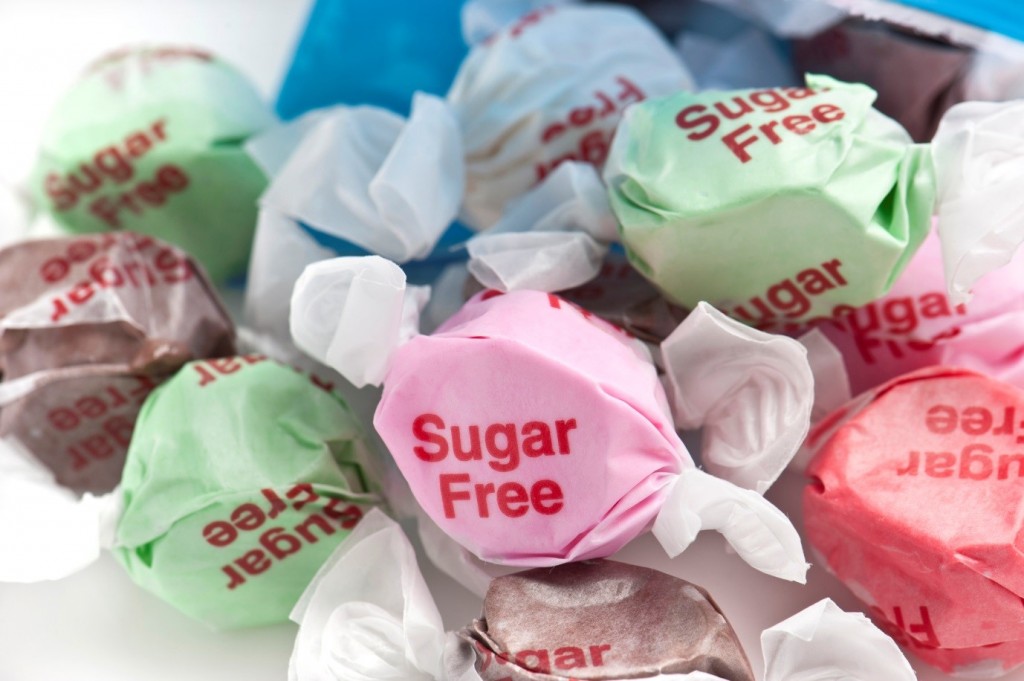
Artificial sweeteners are marketed as a low calorie alternative to sugary products. The Sugar Association says these artificial replacements are chemically manufactured molecules that do not exist in nature. According to the FDA, a food is considered “sugar-free” if it contains less than 0.5 grams of sugar per serving. It’s important to note the actual number of servings in the food because there may still be a small amount of sugar, even with a sugar-free claim. What’s more, sugar-free includes naturally occurring and added sugars, but doesn’t include artificial sweeteners or sugar alcohols. The question arises that are sugar free foods and artificial sweeteners actually good for us? Maybe or maybe not. Let’s throw some light on this. The average 12 ounce can of ordinary soda contains about 150 calories, almost all of them from sugar. The same amount of diet soda contains zero calories. The choice is not very difficult to make. Artificial sweeteners are not magic pills but their smart use could help you reduce added sugars in your diet and this is how you can lower the number of calories you eat. Reducing calories could help you attain and maintain a healthy body weight, and thereby lower your risk of heart disease and diabetes.
Food labels often claim “sugar-free”, “no added sugar”, and “unsweetened” can be confusing to consumers. For sugar-conscious shoppers, distinguishing one claim from the other is downright stressful. The FDA closely regulates the use of sugar statements on food labels. Head scratching thought is “sugar-free” mean zero sugar whatsoever?
Sugar is not always bad for you, it is how you consume it makes it good or bad for health. A diet containing high sugar content of any kind can increase your risk for cavities, eating too many added sugars can raise your risk for chronic disease such as heart disease and type 2 diabetes. While the FDA approves the use of artificial sweeteners in food, controversy exists over their perceived health risks. A point to keep in mind is that sugar-free does not mean free from carbohydrate or free form fats, so if you’re watching carbs or calories, you still need to be mindful not to overdo it. When eaten in large amounts, sugar free or sugar alcohols can have a laxative effect, causing bloating, intestinal gas and diarrhea.
Food marketed as sugar-free isn’t calorie-free, so it can still cause weight gain. Keep in mind that processed foods, which often contain sugar substitutes, generally don’t offer the same health benefits as whole foods, such as fruits and vegetables. Always consume sugar free products in moderation. Instead of going for artificial sweeteners, diabetics should try naturally sweet food products. Choose a snack that is a combination of sweet with other healthy ingredients, such as protein and fiber. Like, you can have some strawberries with a piece of dark chocolate or dip apple slices in peanut butter. You can always go for the snacks to satisfy your sweet tooth that are delicious, satisfying, and healthy.
by: Abeer Arshad




Leave a Reply
You must be logged in to post a comment.