
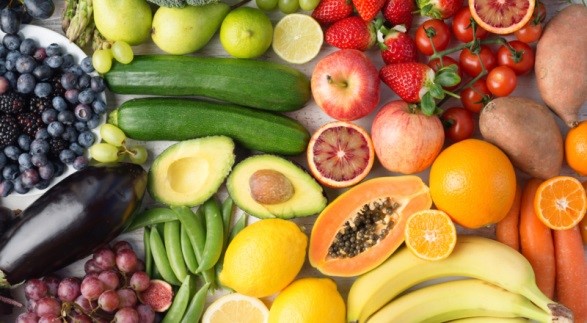
It is a well-known fact that rapid expansion of human population is resulting in depletion of natural resources. To boast their economies, countries are exploiting natural substances that include soil, water, minerals, forests etc. Like our every other activity, our eating habits have long-lasting impacts on the environment.
Whatever we put on our plate, either results in deterioration of the planet or can slow down this deterioration process. Studies around the world are highlighting the negative impacts of our eating practices on mother earth and how these practices are contributing to climate change. Food is a contributor of 30% of greenhouse gas emissions globally. 70% of all freshwater taken from rivers is used in agriculture to produce our food. Agriculture is believed to be the biggest contributor of forest degradation which means that our eating practices are responsible for 60% of biodiversity loss worldwide. Fertilizers and pesticides used in agriculture system are harmful for the soil. Crops become contaminated with chemical products are not good for human consumption.
Eating healthy and eating sustainably can go side by side. We can simply shift towards sustainable eating practices that can improve our bodily health and can also benefit the health of our planet. This can be done by simply making little changes in processes involving production, storage and transportation of our food.
Here is how you can play your role towards sustainable eating:
If you have a small patch in your backyard or a balcony, grow something. You can even grow tomatoes, coriander, mint, green chilies, legumes or other vegetables in clay pots. It’s not necessary to grow a whole farm. Start by taking baby steps. Instead of using chemical fertilizers use organic compost to grow your vegetables. Food grown in your backyard will be good from health point of view. Above all it will reduce transportation cost and will cause reduction in greenhouse gas emissions.
Shopping from your local farmers is sustainable living. Buy groceries from local markets and eat from local restaurants. This way, you can have conversations with local farmers about practices that involve sustainable food production. Purchasing from local markets is also helpful in circulation of wealth in the local community and reduces fuel consumption involved in food shipping.
The average household throws away 30% of food it buys. It not only wastes natural resources but also causes a monetary loss. Best possible way to avoid food from getting waste is to turn the leftover food into compost and use it as organic fertilizer for your crops.
Always read food packaging when buying something to eat. Look for the standards on the packaging that show that your food product is produced sustainably. Keep an eye on the logos representing your packaging is recyclable or not.
Burning kerosene and natural gas for cooking, is a contributor of greenhouse gas emissions. Wood fuel is one of the commonly used fuels for cooking, around the world. It is the cause of unsustainable forest degradation. Use of biogas, solid biomass stoves and solar cookers are sustainable ways for cooking. These alternatives definitely help to reduce carbon footprint but they can take a toll on your pocket.
Above practices can be adopted to improve our eating practices. This is how we will be able to achieve our climate targets in the years to come. We can make a difference for ourselves and generations to come.
by: Abeer Arshad




Leave a Reply
You must be logged in to post a comment.