
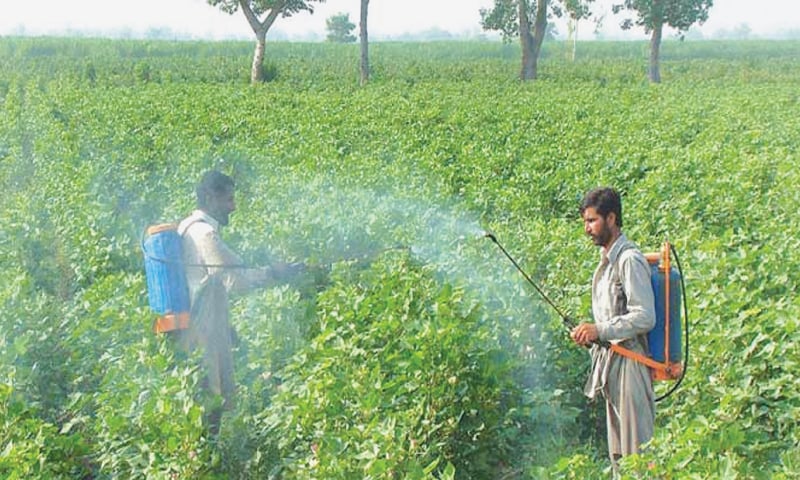
Pesticides are harmful chemical substances released into natural environment in order to kill insects, rodents, weeds and fungus. They are widely used in agriculture to control and prevent crop diseases and to enhance overall agriculture productivity. However, pesticides do have their own negative impacts. Rachel Carson’s publication of “Silent Spring” in 1962 broke silence around pesticide usage when she highlighted consequences of using DDT and its impact on aqua culture down the river line.
It is estimated that since 1970 usage of pesticide increased substantially throughout the globe. In 1954, 254 MT of various pesticides introduced in Pakistan, although most pesticides were imported from, European Countries but DDT and BHC were produced locally. Recent figures from various international studies show that 70K tons of pesticides are applied with an increasing rate of 6% per annum but only 0.1% reach their target destination while 99.9% are dispersed in air, water and soil; contaminating the natural environment.
Due to extensive contamination of natural biota, an internationally acclaimed Biodiversity Action Plan forced many countries to limit their use of harmful pesticides. Extensive use of pesticide with no proper IMP (Integrated Management System) is increasing surface run off, polluting rivers, and underground drinking water in Pakistan. Estimates by multinational companies show that around 80-90% of pesticides are in use for cotton crops while remaining sprayed on fruits, sugarcane, paddy and vegetables.
Pesticide distribution and contamination of surface and ground water depends on its fate of transport. Fate of transport depends on number of factors that include pesticide type, way of pesticide application, rate of application, soil type; soil surface lay off, sorption, absorption, absorption, volatilization, leaching, erosion and rate of surface run off pesticide in ground and surface water. Persistence of harmful pesticides poses serious threats to aquaculture and people of given residence. Nowadays, IMP methods incorporated into pesticide usage training are helping to reduce risks to human and animal health and operates on three main principles;
When pesticides percolate via soil to underground reservoir, they contaminate ground water and therefore drinking water. Compared to other mediums of consumption; highest exposure of pesticide-accumulated drinking water is face by families of farmers and if remained untreated, this toxic water affects lives of thousands of people in the given vicinity. From drinking water, washing dishes, taking batch to consumption of commercially available foods intoxicated by pesticides –Pakistani population is facing acute and chronic exposure to various pesticides.
To conclude, pesticide are generally needed in order to produce enough food to meet nation’s demand but rules and regulations regarding pesticide handling and usage should be implied more strictly. It is recommended to develop accredited labs to test food and water regularly and to monitor pesticide residues in them. Furthermore, policies should aim at training of farmers and gardeners for IPM and most importantly, research should be encouraged in domain of “Epidemiological effects of Pesticides”.
Related Article: Pesticides and Non-Target Biota
by: Noor Ul Ain
Tags: Pesticide Pollution



Leave a Reply
You must be logged in to post a comment.