
Attention towards indoor air quality was drawn as a result of oil crisis of 1970s which forced the builders and homeowners to repair their leaky houses as an effort to improve energy efficiency. After that scientific studies were conducted to monitor the indoor air quality. Urbanization has led to the construction of multistoried commercial and residential buildings. The tightly packed living environment is a cause of exposure to high levels of hazardous pollutants from indoor sources such as cooking fuels, building materials and cleaning supplies. High rise building setup also increases the probability of accumulation of pollutants.
Indoor burning of fuel is a source of hazardous pollutants like nitrogen componds, carcinogenic polycyclic aromatic hydrocarbons (PAHs) and particulate matter. PAHs released as a result of cooking activities include benzo(a)pyrene, fluoranthene, benzo(b)fluoranthene, dibenzo(a, h)anthracene, benzo(g, h, i)perylene. Other than that, heating of cooking oil and food products at high temperature emits organic compounds and particulate matter. Cooking at high temperature that involves grilling, stir frying and deep frying is held responsible for the release of hazardous substances. In fact, cooking at high temperature is also an important source of fine (<2.5 mm) and ultrafine (<0.1 mm) particles in non-smoking households.
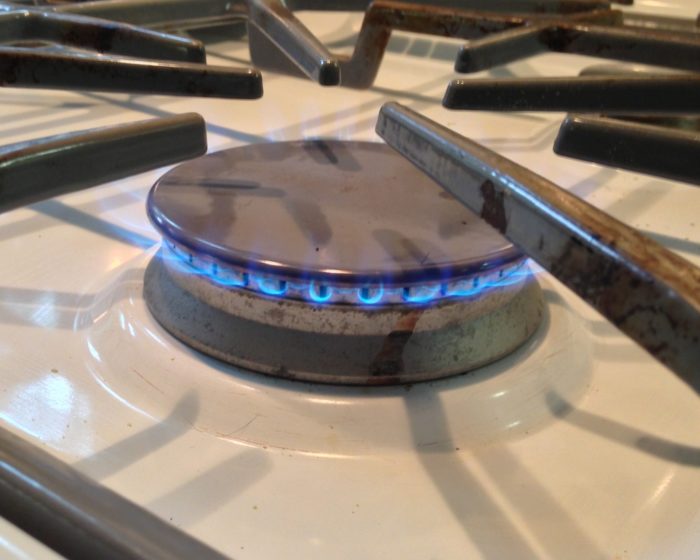
Human exposure to indoor air pollutants particularly fine and ultrafine particles causes’ health issue like respiratory tract infections, lungs inflammation, asthma, eye diseases, conjunctivitis, cardiac events, tuberculosis and cancer. Mostly, women and children are the victims of these diseases because they spend most of their day at home. Cooking on gas stoves produces sulphur dioxide, VOCs, carbon monoxide, carbon dioxide, nitric oxide, nitrogen dioxide and particulates. In developed countries, cigarette smoking and gas cooking is the major contributor of indoor nitrogen dioxide.
In Pakistan indoor air quality is not up to the mark and in dire need to take serious steps to improve it. In rural areas people consume biomass fuel such as wood, animal dung, crop residues and in urban settings, people use natural gas for cooking and heating purposes. 86% biomass fuel is used in Pakistan out of which 54% is wood. The particulate matter concentrations are higher using biomass as compared to natural gas. Women who cook food are more exposed to kitchen pollutants. On daily basis, concentrations of pollutants released by cooking activities are above the standards of European Union (EU), Environmental Protection Agency (EPA) and World Health Organization (WHO).
Natural gas is the main source of fuel for cooking in urban settings of Pakistan. Majority of the residents are well aware of ventilation process and use exhaust fans occasionally for getting rid of kitchen pollutants. There is a possibly that other than kitchen exhaust, cigarette smoke can also be a contributor of the indoor pollutants.
Monitoring of indoor air pollutants is a real concern because people spend their majority of the time at home, on daily basis, particularly women. Owing to their hazardous nature, indoor pollutants, mainly from kitchen need to be controlled. Reducing kitchen pollutants is a challenge for the users and manufacturers of kitchen technologies because they are a threat to the human health. There are some steps that can be taken to reduce the kitchen exhaust pollutants. Architectural changes such as installation of windows and ideal roof heights can help in improving ventilations. Furthermore, installation of exhaust fans can be helpful. Right choice of cooking stoves can also help to reduce kitchen pollutants. Indoor plantation comprising of plants that have the ability to absorb particulates and supply oxygen can help to minimize kitchen pollutants.
by: Abeer Arshad




Leave a Reply
You must be logged in to post a comment.