
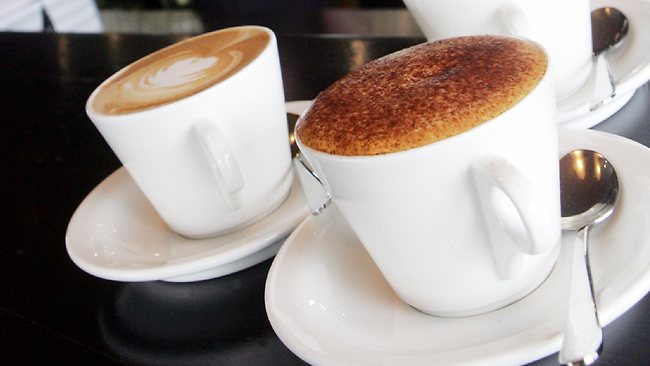
Caffeine is a commonly used drug that increases alertness, decreases fatigue, and improves muscle coordination. Though coffee comes to mind as the most common source of caffeine, it’s also naturally found in tea and chocolate, and it is often added to soft drinks and non-prescription drugs like pain-relievers and cold remedies. People vary in their sensitivity to caffeine. If used excessively, caffeine can be too stimulating and cause anxiety, sleep problems, muscle twitching, or abdominal pain.
Caffeine is a common ingredient in many prescription and over-the-counter headache medications (see list below). Caffeine additives make pain relievers 40% more effective in treating headaches. Caffeine also helps the body absorb headache drugs more quickly, bringing faster relief. By adding caffeine and, in turn, taking less medication, you can reduce the risk for potential side effects and possible drug addiction.
Common Over-the-Counter Drugs Containing Caffeine
Common Prescription Drugs Containing Caffeine
Note: The drugs listed are some of the more common drugs containing caffeine; all drugs containing caffeine are not included. Always check the labels of over-the-counter medications for the caffeine content. Or ask your doctor or pharmacist about the caffeine content of your medications.
Other Caffeine Sources
Beverages
Note: Caffeine-free and decaffeinated beverages also contain small amounts of caffeine.
Foods
Withdrawal from normal caffeine usage is rare. However, with excess use, over 500 mg daily (approximately five cups of coffee) over a long period of time, sudden cessation could cause symptoms of withdrawal. You can avoid caffeine withdrawal by limiting your daily consumption, being educated about sources of caffeine, and by gradually decreasing the consumption rather than ending use abruptly.
Because of the risk of withdrawal, people should not take caffeine-containing pain relievers on a daily basis.
Rebound headache is a condition that develops from the overuse or misuse of any headache medication, including caffeine-containing medication. While caffeine-containing drugs can be beneficial, these medications, combined with consuming too much caffeine (coffee, tea, soft drinks, or chocolate) from other sources, may make you more vulnerable to getting rebound headaches.
Relief from rebound headaches can only be accomplished by completely quitting all medication; however, this should only be done under the supervision of a doctor.
(webmd)
Tags: and Caffeine, headache sufferer, Headaches, Migraines, rebound headaches., What Is Caffeine




Leave a Reply
You must be logged in to post a comment.