
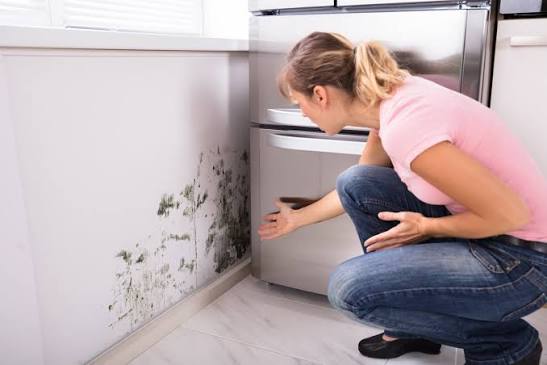
You walk into a room and smell it: that damp, earthy odor that means mold is already growing somewhere. In a humid climate, this is not a rare event. It is a seasonal fact of life. And because mold can start growing within 24 to 48 hours on wet surfaces, the difference between a small fix and a costly remediation is often just a few days.
The good news is that mold prevention is not complicated. It comes down to controlling one thing: moisture. The experts who study this agree on a single number, and once you know it, most of the work is about keeping your home under it.
This guide covers what actually prevents mold in humid climates, where the high-risk zones are, and when a problem is too big to handle yourself.
Quick answer: prevent mold in humid climates by keeping indoor relative humidity below 60%, ideally between 30% and 50%, using dehumidifiers and air conditioning, fixing water leaks promptly, and ventilating bathrooms and kitchens. These are the measures the EPA recommends for every home.
In a dry climate, a leak dries out on its own. In a humid climate, the air itself is the problem. When outdoor relative humidity is already high, opening windows can push indoor humidity up instead of ventilating it. This is the mistake most generic mold-prevention articles miss: in a humid climate, ventilation and dehumidification sometimes pull in opposite directions.
Mold needs three things: moisture, organic material to eat, and warmth. Humid climates provide two of the three constantly. That is why the single most effective control is managing indoor humidity, not just fixing leaks.
Air conditioning is a dehumidifier. It removes moisture from the air as it cools, which is why homes that run AC consistently have fewer mold problems. The catch is that AC systems themselves can become mold sources when condensation collects on coils and in drain pans, so maintenance matters.
For rooms the AC does not reach, or during shoulder seasons, a standalone dehumidifier is the tool. Size it to the room: a small unit cannot keep a damp basement under 60%, no matter how long it runs. Empty the reservoir or connect a drain hose, because a full tank silently turns the dehumidifier off.
When opening windows helps: on days when outdoor humidity is lower than indoor. When it hurts: during rain, fog, or high-humidity stretches, when outdoor air is wetter than the air inside. A cheap hygrometer (humidity monitor) removes the guesswork.
Humidity control is the safety net. Source control is the first line of defense. Every leak, no matter how small, feeds mold.
Bathrooms, kitchens, basements, crawl spaces, and laundry rooms are where mold starts. Bathrooms need exhaust fans vented outside, not into the attic. Kitchens need range hoods. Crawl spaces and basements need vapor barriers and, in humid climates, their own dehumidification. Attics need ventilation so warm moist air does not condense on cold roof sheathing.
The pattern across every high-risk zone is the same: remove the moisture, or the mold returns no matter how well you clean the visible growth.
Humid climates have a seasonal rhythm that creates predictable mold windows. Closed-up vacation or snowbird homes trap humidity all summer; returning owners often find musty odors or visible growth. Hurricane season brings flooding, and floodwater is not just wet, it carries contaminants that make mold growth faster and more hazardous.
For seasonal properties, the fix is prevention before closing up: run the AC or a dehumidifier on a schedule, or leave drainage and vents clear. After any flood, the clock matters: wet materials need drying within 24 to 48 hours, and anything porous that stayed wet, like drywall, carpet, or insulation, often needs removal.
Small surface mold on non-porous materials, like tile or glass, is a DIY job. Large areas, mold inside walls or HVAC systems, and any growth after flooding are not. The EPA and CDC recommend professional remediation when the contaminated area is extensive or when mold is in systems you cannot reach. Professionals contain the area, use HEPA filtration, and remove contaminated materials rather than just cleaning surfaces, which is why they are the right call for anything beyond a small patch.
For homeowners facing a bigger problem than a DIY clean-up, mold removal and remediation services that follow the IICRC S520 standard inspect, contain, and remove growth at the source, then verify results with clearance testing. The principle in every humid climate is the same: address the moisture, remove the growth properly, and confirm the air is clean before rebuilding.
Keep indoor relative humidity below 60%, ideally between 30% and 50%. Above 60%, surfaces stay damp enough for mold to grow. A hygrometer measures indoor humidity, and dehumidifiers or air conditioning keep it in range.
Mold can begin growing within 24 to 48 hours on wet surfaces. That is why drying water-damaged materials quickly is the most important step. After 48 hours, porous materials like drywall and carpet are at high risk and may need replacement.
No. Painting over mold traps moisture and the mold continues growing beneath the paint, often reappearing within months. The mold must be removed and the moisture source fixed first. Paint is a finish, not a treatment.
Yes, when maintained properly. AC removes moisture from the air as it cools, which lowers indoor humidity. But a poorly maintained AC with clogged drains or dirty coils can become a mold source itself. Regular maintenance keeps it a prevention tool rather than a problem.
By: Riley Marsh




Leave a Reply
You must be logged in to post a comment.