
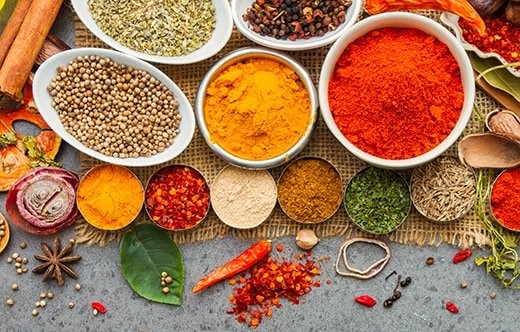
Pakistani foods are literally incomplete without a blend of desi spices. You cannot imagine a well-cooked chicken karahi dish without the touch of aromatic spices (garam masala) or daal without a powerful punch of mirch baghaar. It would be hard to enjoy food without the unique flavors provided by addition of spices.
For years, the right spice or combination of spices has actually played a role in defining individual cultures by lending nation’s or people’s cuisine a flavor and a style that is distinctly its own. In the history of food in South Asia, mixed spice or garam masala has been a prevalent ingredient in curries and rice dishes, and the food is not considered tasty if it does not have unique and distinctive aromatic spices. In the subcontinent ‘hot and spicy’ defines good eating and the sensual pleasure of a well-seasoned meal is reason enough to value spices that make our dining an adventure.
Indeed, the spices do bring out the wonderful, finger-licking taste of Pakistani foods. For most of us, this traditional taste is a scrumptious pleasure. Let’s explore these spices:
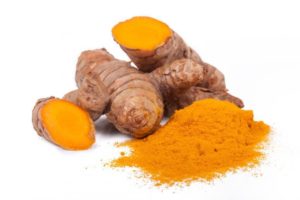
It comes from the perennial plant of the ginger family. The Turmeric has a dull, grayish exterior but a Saffron color from the inside. It possesses an aromatic smell but its taste is slightly acrid. It serves as a condiment in almost every other dish cooked in a Pakistani kitchen. Moreover, it is a popular ingredient in pickles and chutneys. A pinch of the Turmeric powder adds coloring, fragrance, flavor, and countless health-related benefits to a dish.
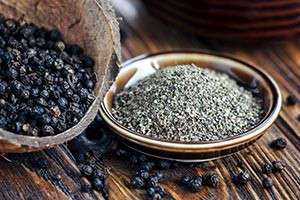
Although black and white pepper come from the same climber plant, Pakistani food recipes mainly revolve around the black pepper. This plant is native to East Indies, Pakistan, India, Java, Sumatra, and many other places. The black pepper is originally in the form of berries that farmers pick, dry, and ground. The spice augments the quality of any recipe with its rich aroma and fiercely peppery taste.
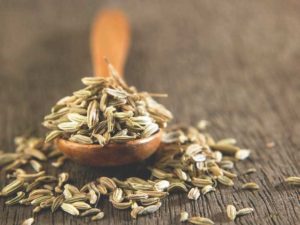
Cumin is widely found in North Africa, China, America and India and is native of Egypt. This spice is great in improving immunity to piles, treats insomnia, asthma, common cold, improves lactation in new mothers, anemia and the list is endless. It also gives great flavor in stews, chicken dishes and lamb based food. It gives your palette a distinct taste when combined with plain rice and beans.
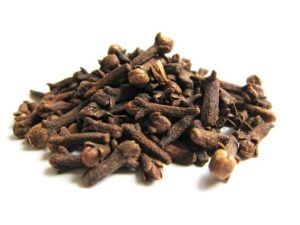
Clove has been identified all around the world for its culinary qualities and medicinal value. It is used in rice and biryani. It has a very intense flavor and therefore care must be taken about how much quantity should be used in cooking. Besides being used for cooking purpose, the biggest benefit of clove is its power in giving relief from tooth pain and sore throat.
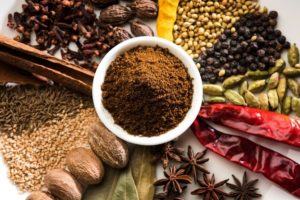
This spice gives finishing touch to the dishes. It is sprinkled at top of the dish and then lid is placed on the cooking pot. Garam (means hot) masala in Urdu literally brings warmth to a dish. It has a strong, cozy taste and a little quantity does the trick.
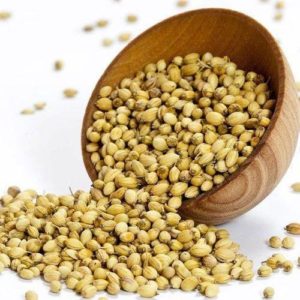
It usually round but also comes in powdered form. Coriander is the single most important spice in South Asian cooking. Its mild and slightly sweet flavour blends well with almost all dishes. Traditionally, coriander is gently roasted before grinding as this brings out its full flavour as well as making it easier to grind finely. Ground pre-packed coriander, if roasted gently and cooled before storing in airtight containers, will significantly enhance the flavour of dishes.
by: Abeer Arshad




Leave a Reply
You must be logged in to post a comment.