
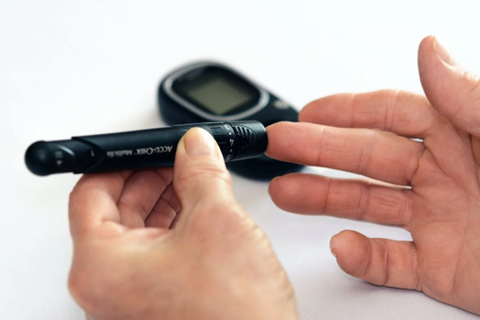
If you or your loved one has been diagnosed with diabetes, one of the metabolic disorders characterized by blood sugar, you may wonder if it is possible to cure it.
Although there is no definite cure for any type of diabetes, you can adopt specific lifestyle changes to reverse the course and return your blood sugar to a healthy level. This article highlights the various ways you can reverse diabetes. But let’s first explore more about diabetes.
Diabetes is a long-lasting disease that affects how your body converts food into energy.
As a part of the digestion process, your body converts most of the ingested food into sugar and releases it into your bloodstream. When the blood sugar goes up, your pancreas release insulin. Insulin helps the blood sugar enter your body’s cells for use as energy.
But with diabetes, the pancreas doesn’t release enough insulin, or the body can’t use insulin as well as it should. Excess blood sugar stays in your body when there is a shortage of insulin or cells stop responding to insulin. Over time it causes serious health problems, including heart disease, vision loss, and kidney disease.
There isn’t a definite cure for diabetes, but eating healthy food, losing weight, and exercising can help. You can also consider other ways to control diabetes, including taking medicine as prescribed or consuming THC oil using THC Pen.
It is caused by an autoimmune reaction in which the body attacks itself by mistake. In response to this reaction, your pancreas stops releasing insulin hormones.
The symptoms of type 1 diabetes develop quickly and are usually diagnosed in children, teens, and young adults. Of all the people having diabetes, only 5 to 10% have type 1 diabetes. With type 1 diabetes, you need to take insulin daily to survive.
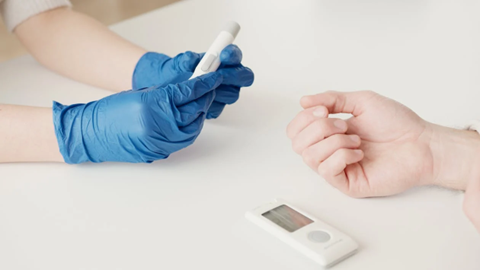
If you have type 2 diabetes, your body cannot use insulin effectively, leading to varying blood sugar levels in your bloodstream. Type 2 diabetes develops over many years and is generally diagnosed in adults. Around 90-95% of people who have diabetes are diagnosed with type 2.
The use of cannabis for the medicinal purpose has been steadily growing in recent years. As a result, healthcare providers have been trying to gain more understanding of its effect on health.
Various research has led to some interesting findings of the potential benefits of using cannabis to help manage the symptoms of diabetes. Research has found that cannabis can help increase insulin sensitivity and lower fasting insulin levels.
Therefore, you can consider consuming THC to control diabetes. But remember, it is not a sure-shot solution, as more research is needed about cannabis’s influence on Diabetes. So, talk to your healthcare expert before consuming cannabis.
Losing weight can be one of the effective ways to reverse the symptoms of diabetes, as excess weight affects how your body produces and uses insulin.
You don’t need to lose much weight, as one study found that people with diabetes control their blood sugar levels when they lose as little as 2 % of their body weight. Another research shows that losing 5% of extra weight helps improve health by improving blood pressure, blood sugar, and cholesterol. So, start focusing on losing 5% of your weight by exercising and eating a healthy diet.

Doing exercise is essential for overall health and helps you reduce weight and reverse diabetes symptoms.
Exercise helps manage diabetes by lowering blood sugar levels and improving insulin sensitivity. When you exercise, the body uptake glucose from the bloodstream and delivers it to working muscles and organs. Hence maintain the blood sugar levels in your body.
Keep the following tips in mind while doing exercise:
Eating a healthy diet helps manage your blood sugar levels, as extra fat and calories create an undesirable rise in the blood sugar level.
A diet for diabetes is a healthy diet rich in nutrients and low in fat and calories. To start with, include fruits, vegetables, and whole grains in your diet.
Curing diabetes is not possible, but numerous strategies can help you control your blood sugar level and reduce the risk of complications, some of which can be life-threatening. Plans include eating a healthy diet, exercising regularly, losing weight, and consuming herbal medicine.
by: Lindsey John
References:
https://www.ncbi.nlm.nih.gov/pmc/articles/PMC7433109/




Leave a Reply
You must be logged in to post a comment.