

Gamification can be an effective way to improve student engagement and motivation because it taps into students’ natural desire to compete, succeed, and be rewarded. With the right tools, educators can create fun and stimulating learning experiences that help students retain information and develop essential skills. It is essentially the process of using game-based principles and mechanics to engage students in learning that can improve student involvement and engagement by providing rewards, increasing challenges, and offering feedback. Gamification in education is increasingly becoming more sophisticated and a popular way to engage students. Going forward, it will be used more frequently to teach essential skills such as problem-solving and critical thinking. Gamification can also help students develop crucial life skills such as time management, goal setting, and perseverance.
Gamification can help improve retention of information by making it more enjoyable to learn and remember new concepts: It helps amplify student focus and concentration by providing stimulating and engaging content. Gamification can also help students develop important life skills such as teamwork, critical thinking, and problem-solving. It enhances student creativity and critical thinking by encouraging them to come up with new ways to solve problems and advance in the games.
Gamification can help students learn by providing immediate feedback: When students are given feedback on their progress in a game-like format, they can see how well they are doing and adjust their strategies accordingly. This immediate feedback can help students learn more effectively. In addition, gamification can significantly help fuel students’ drive to improve across learning categories by providing feedback on performance and progress tracking.
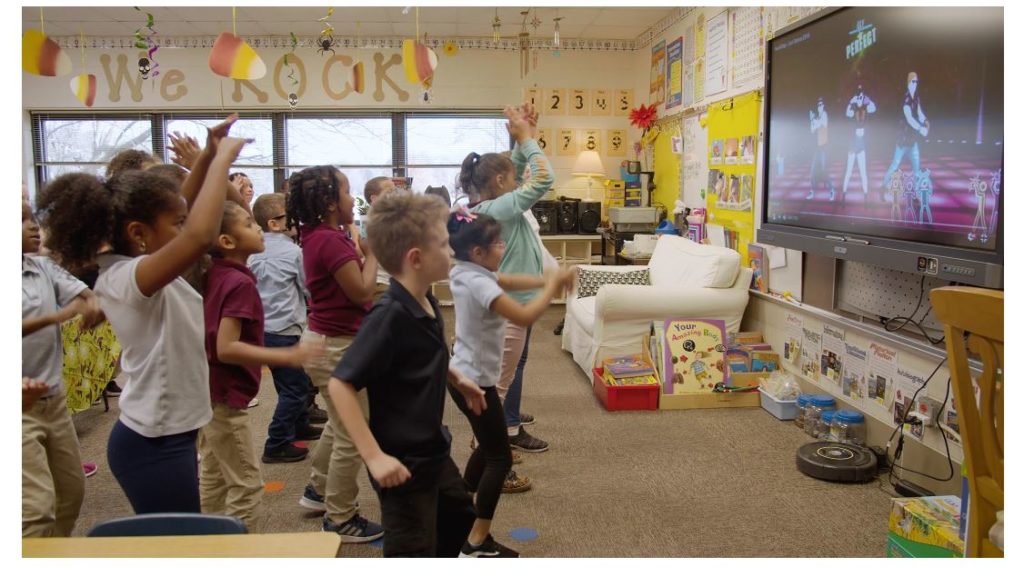
Gamification can increase student motivation by allowing them to set their own goals: It can increase student motivation by allowing them to set their own goals. When students are given the ability to set their own goals, they are more likely to be motivated to achieve them. In addition, gamification further encourages students to improve consistently by providing rewards for completing tasks or reaching certain milestones.
Gamification can improve student engagement by making content more interactive: By adding game-like elements to content, students are more likely to interact with the material and stay engaged. When learning is more enjoyable, students are more likely to stick with it and continue making progress. Gamification can make learning more fun by adding excitement and competition to the mix. It can also help students relax and de-stress from the pressure of traditional learning methods.

Gamification can help create a sense of community among students by fostering friendships and networking: It can promote collaboration and social interaction among students by incorporating social features into games and activities. It can also help students connect with each other and build relationships. When students feel a sense of community, they are more likely to be engaged and motivated to learn. Moreover, it can be a catalyst in creating an inclusive environment where everyone can play and learn together. Gamification can also improve student engagement by allowing students to compete in a healthy and fun way.
Gamification is an effective way to enhance student learning experiences and support academic success. In the future, it will continue to be an innovative and popular method used in school education. It has been shown to improve student motivation, engagement, and academic performance. Gamification in education can take many different forms, such as using game mechanics to reward students for completing tasks or goals, incorporating gaming elements into lessons or assignments, or using games as a learning tool. Many these game-based teaching tools, however, require a cloud whiteboarding software that allows educators and students to draw, write, and generally create and collaborate with ease on an interactive display. BenQ’s education Interactive Flat Panels come equipped with EZWrite 6, an in-built whiteboarding application that transforms the panel into a full-sized smart whiteboard for sharing ideas, taking notes, and brainstorming, along with a suite of other methods like dual pens, brush mode, note-syncing between devices that help boost creativity, collaboration, and participation. As technology advances, so does the potential for gamification in education. New displays and software will provide endless opportunities for educators to use gamification in innovative and impactful ways.
source: absolutecg.net




Leave a Reply
You must be logged in to post a comment.