
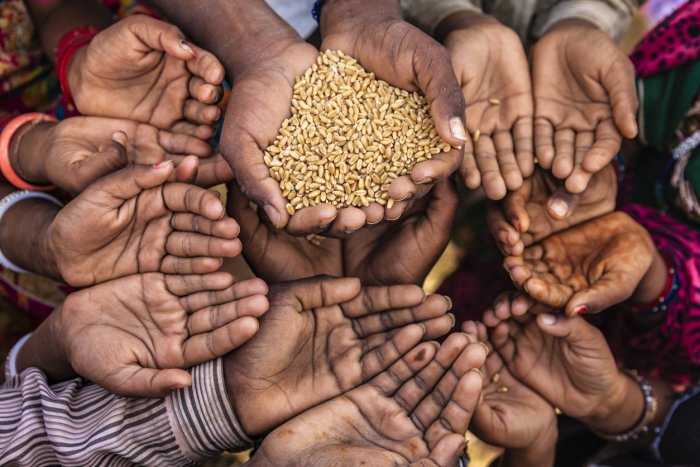
It is almost the anniversary of COVID-19; a year has passed since the first case of COVID-19 appeared in China. The world is still fighting the COVID-19 pandemic. This global health emergency took lives millions with affecting majority of the human population in different ways. One of the major after math of this pandemic is the hunger crisis.
COVID-19 is deepening the hunger crisis in already hunger stricken areas. Unfortunately, it has also created the new epicenters of hunger across the globe. It is predicted that by the end of this year, 12,000 people per day could die from hunger because of COVID-19, potentially more than will die from the virus itself.
The pandemic is the nail in the coffin for millions of people already struggling with the impacts of political conflicts, climate change, inequality and a broken food system that has impoverished millions of food producers and workers. It is note-worthy, those at the top level are continuing to make big profits. Eight of the biggest food and drink companies paid out over $18 billion to shareholders since January even as the pandemic was spreading across the globe – ten times more than has been requested in the United Nations COVID-19 appeal to stop people going hungry.
Asia has more than half of the global undernourished population. Now COVID-19 is further deepening the threats faced by regional economic growth. South Asia is particularly vulnerable, with the number of chronically underfed people projected to rise by almost a third to 330 million by 2030. It is also the only sub-region in the world where more than half the children from the poorest fifth of society are stunted, a condition that prejudices their futures. But there are challenges all around: the Pacific Island states have the world’s highest child wasting rates, and East Asia has the world’s highest absolute costs for a healthy diet — one that goes beyond mere calorie counts to offer balanced nutrition. On top of this, obesity in children and adults is growing faster in Asia and the Pacific than in any other region.
The hunger crises, world is facing is not about unavailability of food. These hunger levels are an outcome of a broken food system that has allowed millions of people to go hungry on a planet that produces more than enough food for every single person. The corona virus pandemic is likea fuel to the already burning fire. Existing vulnerabilities and inequalities are increasing while pushing millions of people into food insecurity as a result of rise in unemployment and economic disruption caused by the pandemic.
Food crisis is getting worse in some of the countries because of the pandemic (Afghanistan, Ethiopia, Yemen, Democratic Republic of Congo, Venezuela, the West African Sahel, Haiti, Sudan and Syria. But new hunger hotspots are also emerging. Middle-income countries such as India, South Africa, and Brazil are experiencing rapidly rising levels of hunger. While, governments are taking necessary actions to contain the spread of the virus, serious actions are needed to build sustainable food systems to end the crises.
by: Abeer Arshad




Leave a Reply
You must be logged in to post a comment.