
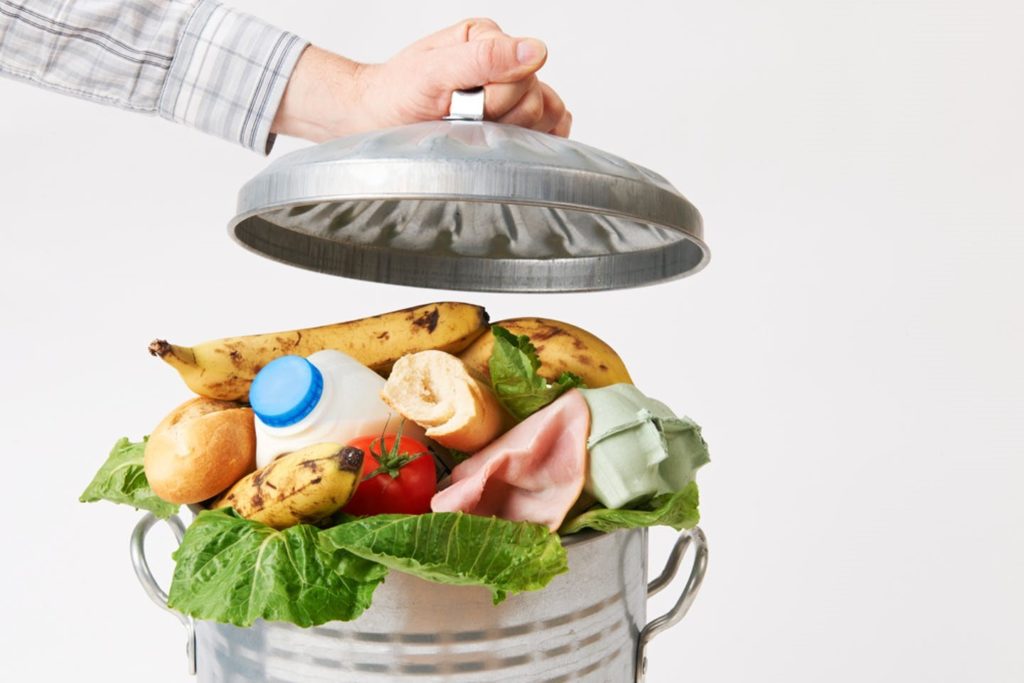
It is not wrong to say that waste is one of the biggest problems facing mankind today and unfortunately food waste is the most common type of waste being generated. According to the Food and Agriculture Organization (FAO) of the United Nations it is estimated that 1.3 billion tonnes of food is wasted globally every year.
On 29th September, 2020, the United Nations will be observing the “International Day of Awareness of Food Loss and Waste” for the first time. According to a report, 40 per cent of food generated in Pakistan, ends up as a waste. This includes food loss during the supply chain (production, post-harvest handling, agro-processing, distribution and consumption) that occurs every year. Owing to extreme weather conditions, food loss in this country is expected to be higher than computed by agricultural departments. Food wastage is the sum of food waste and food lost. In Pakistan, food waste is commonly generated in wedding ceremonies. Most people rush towards the food tables, filling their plates excessively. Nearly half of the food in their plates is uneaten and goes to waste.
According to the FAO, high and low income countries discard similar amounts of food — 670 and 630 million tonnes, respectively — but there is a major difference in where and how that loss occurs. In low-income countries, loss occurs more often in the earlier stages. For example, in Africa, 83 per cent of food is lost during production, handling/storage and processing, while just five per cent is wasted by consumers, according to the World Resources Institute. Conversely, in North America and Oceania, 32 per cent is lost in earlier stages, and 61 per cent is wasted by consumers.
The Environmental Impact of Food Waste
When edible items are discarded, it’s not just food that is wasted. It is the wastage of all the resources required to bring food from the farm to your table: water for irrigation, land for planting, fuel for powering harvest and transport vehicles. When a bunch of bananas falls off a truck or restaurant owners fill their rubbish bins with uneaten meals, all those resources are essentially wasted right along with the food. Not only are all of the resources that went into creating the uneaten food wasted (land, water, labour, energy, manufacturing, packaging, etc), but when food waste goes to landfill, which is where the vast majority of it ends up, it decomposes without access to oxygen and creates methane, which is way more deadly than carbon dioxide.

Reducing Food Waste
Reducing food loss and waste requires the attention and actions of all, from food producers, to food supply chain stakeholders, to food industries, retailers and consumers. Here are a few steps that can help in reducing food waste:
It sounds simple (and it is) but this is one of the most important things you can do. When food shopping, don’t buy too much. Only buy what you need. And always remember to read expiry date before buying.
If you have food more than your requiremnet, consider donating it to someone else who needs it. That could be a neighbour, relative or a local foodbank. This food can be a great help to those in need.
Composting leftover food is the best option. This can be later used as a fertilizer for the plants.
To help reduce your food waste, keep a record of what is getting thrown out each week. You will be surprised at how much it adds up to and can spot patterns of over-buying.
by: Abeer Arshad



Leave a Reply
You must be logged in to post a comment.