
Indigenous people are group of people that are socially and culturally distinct and share collective ancestral ties to the lands and natural resources where they live for years. The land where they live and natural resources defines their livelihood, culture, identity, physical and spiritual well-being. Many Indigenous groups still have a different linguistic approach from the official languages of the country or region in which they live.
To have a good economic future, countries need to know the importance of indigenous groups as these groups are blessed with assets like human power, traditions and natural (land, plants, water) resources. Most Indigenous communities, while materially and financially underdeveloped, are genuinely rich in tiers of culture, traditions, people, land and natural resources that reside both on their reserve lands and with their traditional territory. Indigenous people are the ones who care deeply about the environment and fight every day to protect the earth, more than other people.
They remain close to the land, not only in the way they live, but in their hearts and in the way they view the world. For them, protecting the environment is not an intellectual exercise; it is a sacred duty. When environment activist like Pauline Whitesinger, an elder at Big Mountain, and Carrie Dann, a Western Shoshone land rights activist, speak of preserving the land for future generations, they are not just talking about future generations of humans. They are talking about future generations of plants, animals, water, and all living things. They are aware of the ecology. They know that humans need other living resources for their survival. A 2019 report found that millions of species face extinction, but that this decline in biodiversity is less pronounced on indigenous peoples’ lands, indicating that these communities are more effectively managing natural resources as well as species decline and pollution.
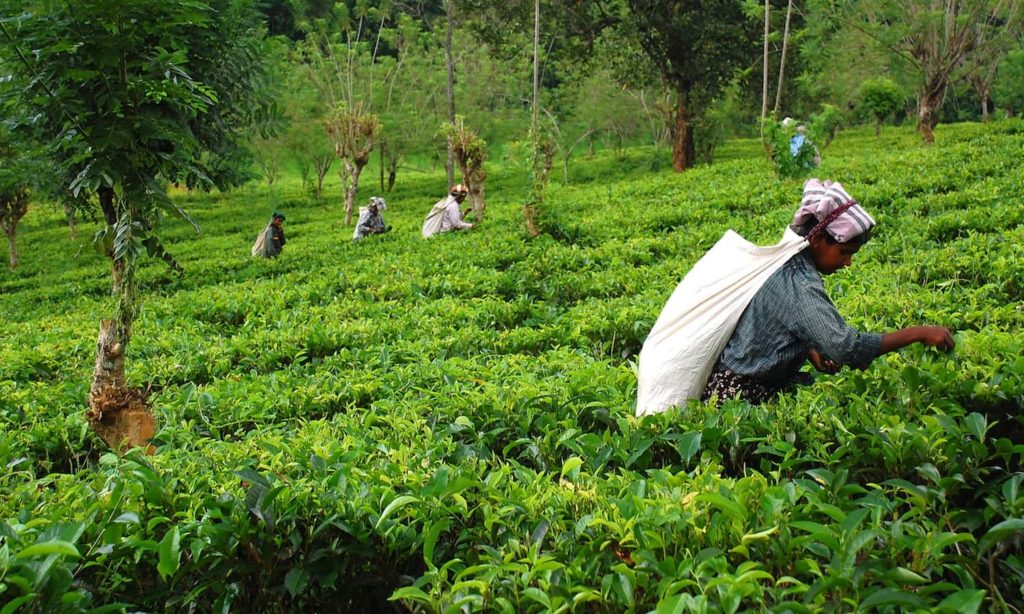
Indigenous people are the ones that are mostly responsible for taking care of the crops and for providing food to the rest of the world. They use traditional methods for the food production that are being accepted in today’s era. Agriculturalists around the world are recognizing that modern agricultural systems are unsustainable. Practices such as monocultures and excessive tilling degrade the soil and encourage pests and diseases. The artificial fertilizers and pesticides that farmers use to deal with these issues are harmful for the soil and water and harm the many organisms upon which successful agriculture depends, from pollinating bees and butterflies to the farm workers who plant, tend and harvest our crops. As the soil deteriorates, it is able to hold less water, causing farmers to strain already depleted water reservoirs. This has allowed to seek help from the indigenous as they are more aware about the traditional farming practices. Indigenous farming is the product of indigenous cultures that are deeply connected to particular places. In the words of one indigenous farmer, Vena A-dae Romero,
“Indigenous people are as much part of the land as the land is part of us. We cultivate the land while the land cultivates us. This relationship that has supported my people since time immemorial is remembered daily when we place our fingers in the dirt, pull the weeds from our fields, or plant our seeds with water, prayer, and hope, cook the food which we grow, and ingest the world with each bite of food we eat.”
In short, cooperation between countries and indigenous/native groups can help to save the plant.
by: Abeer Arshad



Leave a Reply
You must be logged in to post a comment.