
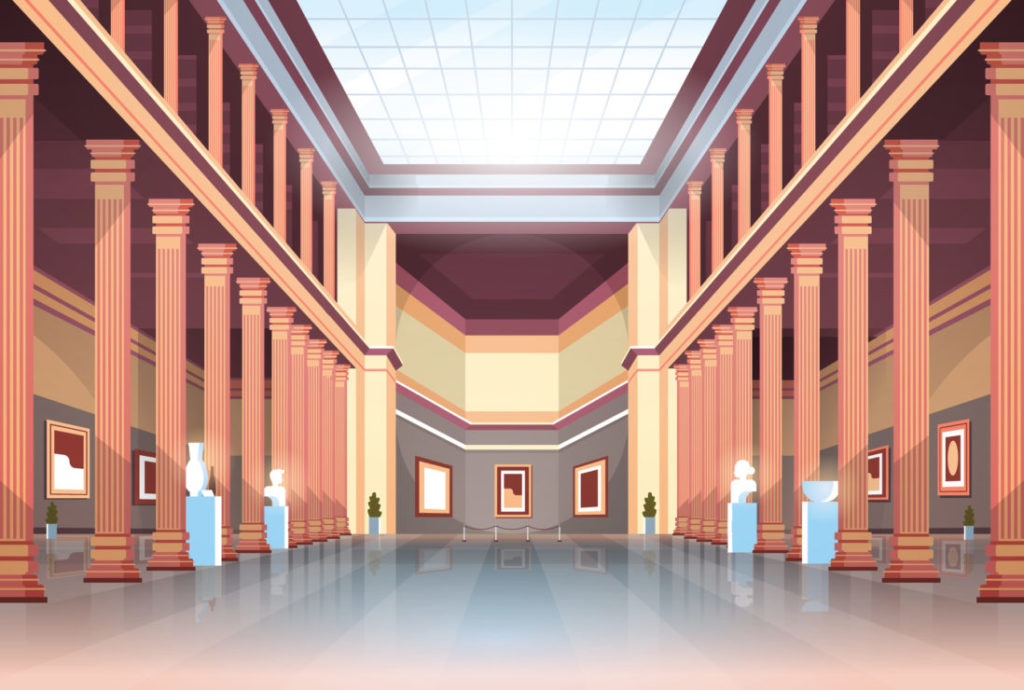
In the past few months a lot has changed because of the pandemic. Businesses have been affected and as a result a lot of people are now jobless. But one thing that has growth over this period or that has emerged as an escape from reality is ART. Yes, art has growth to be more creative in these times. No famine, war or plague has ever killed art completely. Though art itself may be immune to such disasters, the art world is especially susceptible and sensitive to economic losses.
The art community already stands horrorstruck at the worldwide shuttering of museums and galleries, the downsizing and massive layoffs at art institutions, the long postponements and cancellations of exhibitions, suspension of grants and termination of residencies. However, this termination of activity in the art world, and the immediate implementation of social distancing has catalyzed the public to seek out alternative modes of social contact and cultural consumption.
Art community has worked out ways to deal with the ongoing situation. Within a very short time span, museums have introduced virtual tours where people can virtually see the museum even by sitting on their lounge sofa. Then there are e-learning programmes and digitally accessible art archives freely available to all. Cultural heritage museums in China, ground zero of the pandemic, were quick to offer extensive virtual exhibitions, targeted at boosting public morale and serving as a reminder of human resilience.
Other big museum followed the suit. Popularizing the #MuseumFromHome hashtag, the Getty Museum in California challenged its online followers to re-create artworks in the museum’s collection and share via #gettymuseumchallenge. The Royal Academy, London, routinely issues drawing prompts such as, ‘draw a ferret’, or ‘blue bells’, and even ‘Gandalf having a good time’ at #RAdailydoodle. They also broadcast online live drawing classes. “While our front doors may be closed due to coronavirus, we are open in other ways,” says their Instagram tagline. Auction houses Sotheby’s and Christie’s preserve their exclusivity model through VIP ‘online viewing rooms’ for remote bidding. However, not everything has changed to virtual steup. Various trendsetting biennales and reputed international art fairs, such as the Art Basel and Hong Kong Art Festival, have had no choice but to cancel this year. Some that chose to stay open, such as the Tefaf Maastricht Art Fair in the Netherlands, faced severe public criticism and proved to be a coronavirus hot bed as the pandemic spread across Europe.
Physical art may be shirking but there is a lot of potential in digital art. With massive recession in the business world and collapse of support system, it is going to be tough year for the artists. Art activities are already reverting to “work from home” systems as they calibrate with health and safety protocols and the imminent realities of economic depression. Perhaps this is where DIY artists and their humble practices will thrive as opposed to spectacular productions of art supplies. The art world we have known so far may as well be a relic of the past, as we begin to build a new one on the cloud. With artists conducting virtual studio visits, live-streaming performances, broadcasting workshops and e-exhibitions, a direct artist-public conversation is already underway.
There is always a space for the alternatives. Instead of crying for the things going wrong, it is better to adopt new alternatives.
by: Abeer Arshad

Leave a Reply
You must be logged in to post a comment.