
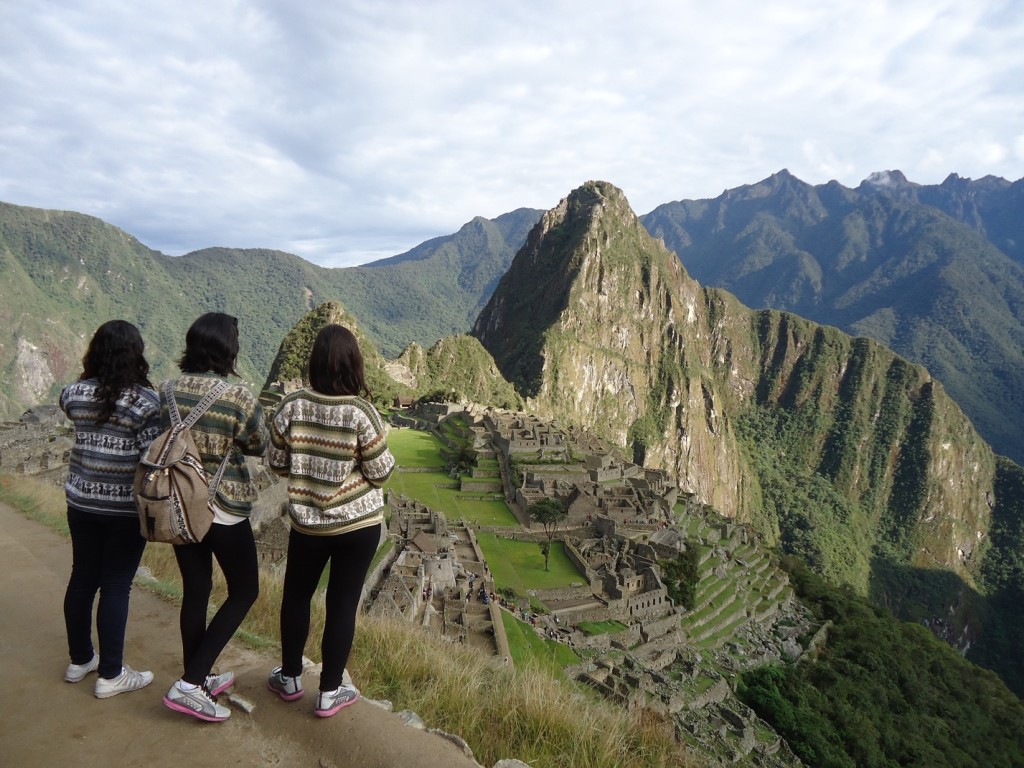
When trying to bring in tourists, countries often turn to traditional sources like travel agencies, government websites and commercials. But in the age of the Internet, social media has become a tool as well.
The reasons are simple: social media is cost-effective, it can reach many people in a short amount of time, and it can be easily updated to take advantage of current trends. Compared to a commercial that takes time to shoot, edit, and then send throughout the world for TV and film exposure, social media outlets like Twitter, Facebook, YouTube and Instagram are proving to be better ambassadors for tourism.
For someone looking for a place to go on vacation, social media may provide that spark in selecting a place that perhaps they normally wouldn’t go. For some countries, all they need is more exposure of their natural resources to bring in visitors, and with $1.4 trillion in tourism dollars at stake many governments are shifting their focus.
Jordan: A Small Country with Big Potential
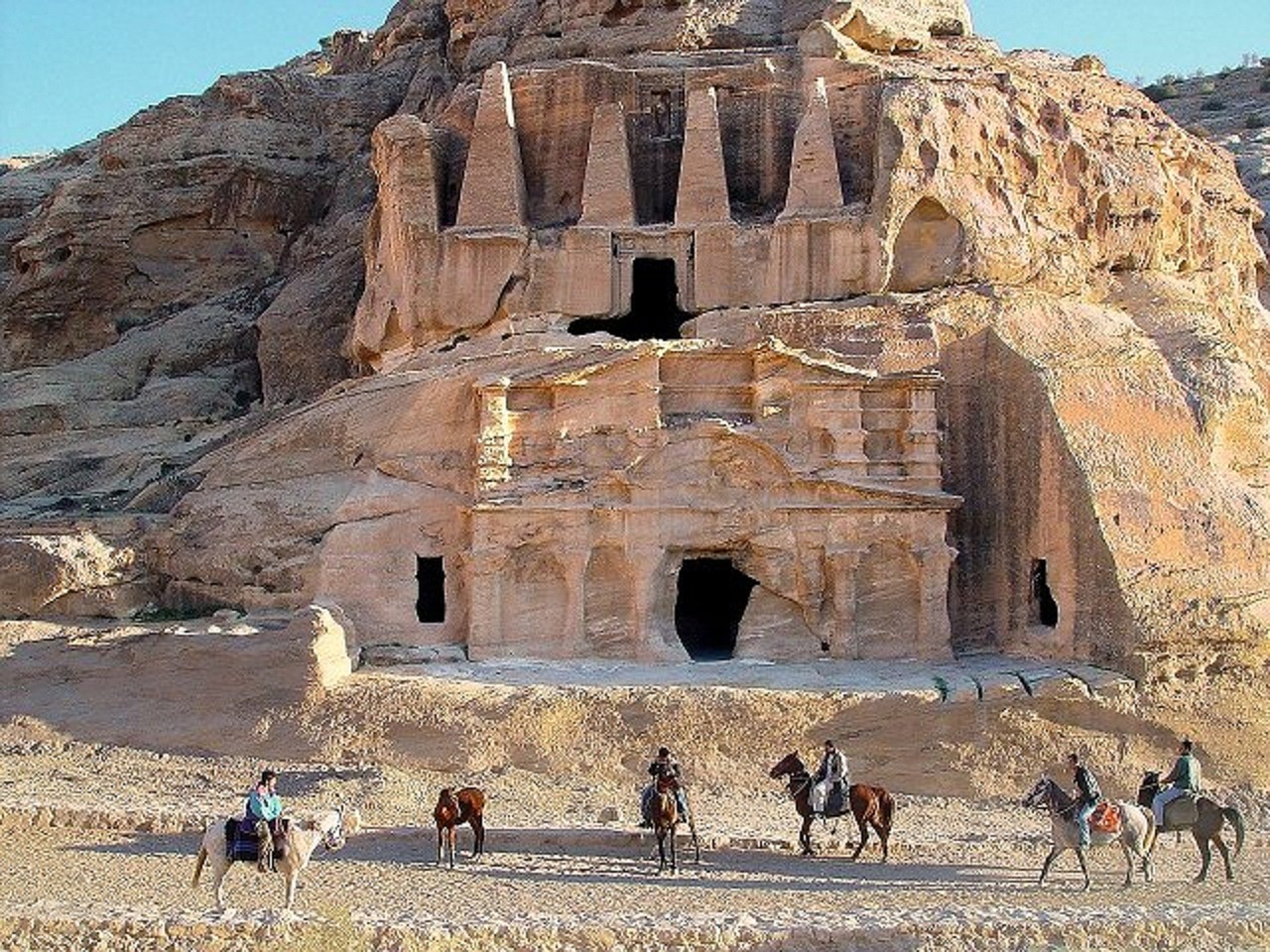 Although the kingdom of Jordan is a relatively peaceful country, it suffers by being in an area regarded by many as unstable. While many come for its rustic and old world feel, many have critiqued that accessibility to internet and cellular service is few and far between. Some tourist attractions and local businesses offer satellite internet access as a means of attracting visitors, yet these can be rare.
As Jordan has many places that would be prime tourism attractions; the area of Wadi Rum doubled for Mars in the Matt Damon movie The Martian, and the ancient city of Petra, one of the New Seven Wonders of the World, is only two hours away.
Regardless, a partnership with the USAID Economic Growth Through Sustainable Tourism Project and the Jordan Tourism Board could help change perceptions. USAID is giving the JTB grants to help expand its presence on social media in the European, North American and Mexican markets. The grant money will also help fund TripAdvisor campaigns in those areas.
Jordan’s tourism numbers fell 14 percent from 2012, but American Ambassador Stuart E. Jones thinks the grant will be money well spent. “Jordan has so much to offer in terms of tourism,” he said, adding that Americans, Europeans and others who come to the country, “love to be here and they enjoy the experience.”
Iceland: Enlisting Its Population for a Social Media Blitz
 In 2010, the Nordic nation was just beginning to recover from its 2008 financial collapse. Then on April 14, disaster struck again: the Eyjafjallajokull volcano exploded. The ash spewing into the air sent negative sentiment about the country soaring to 72 percent a week after the event.
Realizing that Iceland’s tourism business was on the line, the government came up with a plan to change negative opinion and stem the loss of tourists. They recruited the population of Iceland to post on Twitter, Tumblr, Vimeo and Facebook using the theme, “Inspired by Iceland”. In one week, 65 percent knew about the project and after one month, 96 percent knew. Over 50 percent eventually posted, and actual tourist visits beat government projections by 27 percent bringing over 138 million krona into the treasury at a cost of only 2.2 million.
Taiwan: Just Google It
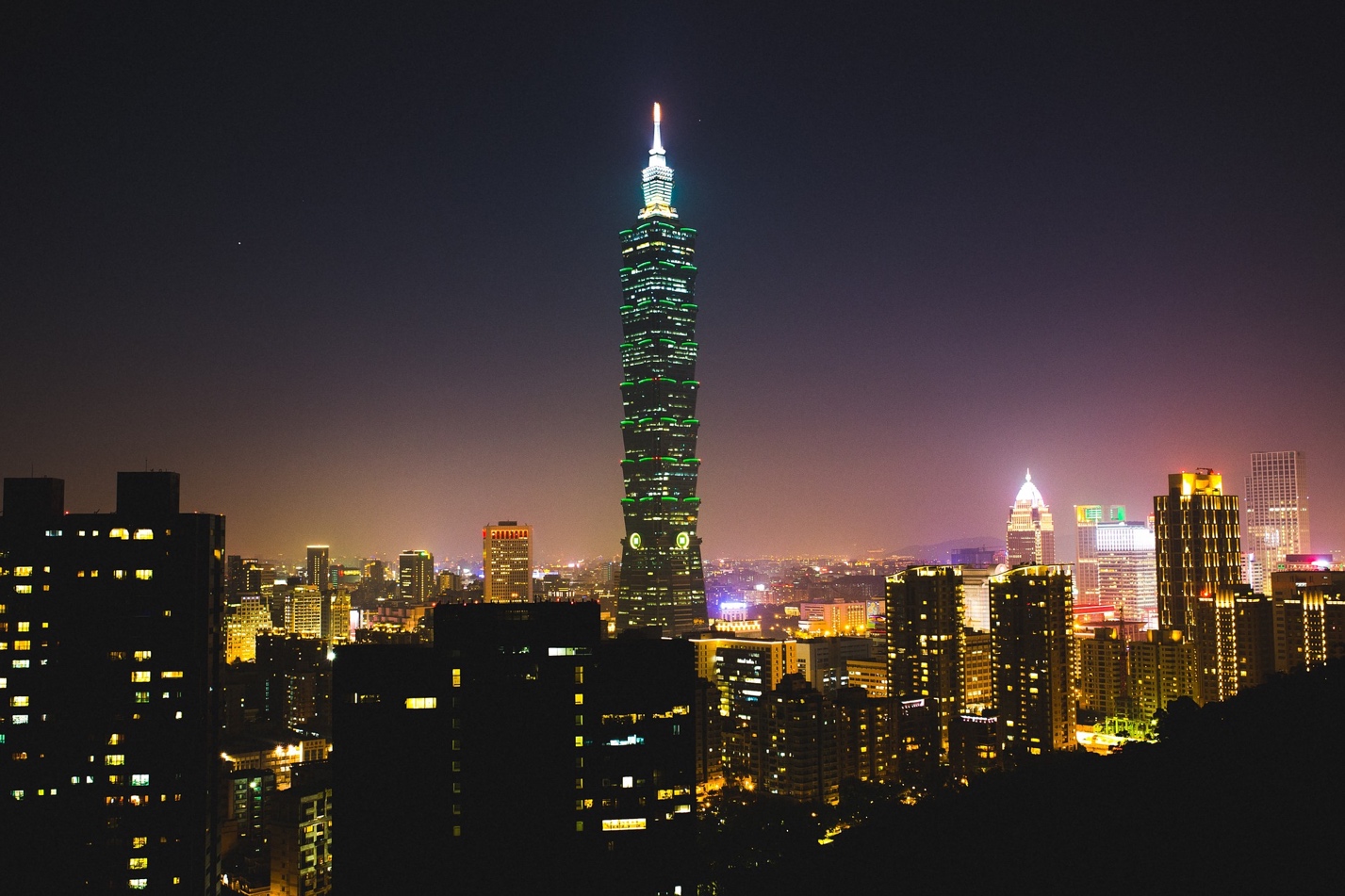 The island of Taiwan had just over nine million tourists in 2013. Mainland China, in comparison, had over 55 million international tourists. To pitch people on the idea of taking a Taiwan tour, the Taiwanese government partnered with Google for its “Anytime for Taiwan-Film Taiwan, Action!” campaign. The tourism bureau invited visitors to create their own online videos of their trip, and the grand prize winner received an around-the-world airline ticket.
Traffic increased to approximately 10 million people in 2014, so the tourism bureau changed their strategy slightly; Deputy Director-General Wayne Liu of the tourism bureau told the China Post newspaper that more people got their information about Taiwan through the Internet than through official government tourism campaigns. “We hope to capitalize on the penetration of Web videos to showcase the lifestyles of Taiwan,” he said.
For 2015, the bureau has invited six vloggers with their own YouTube channels to take their own tour of Taiwan. Combined, the six have an audience of over 10 million subscribers; they will be shooting their own travel films in Taiwan and then uploading the footage to their YouTube channels.
Increasingly, governments are turning to social media instead of standard advertising. With the 24-hour news cycle a thing of the past, tourism experts must adapt to breaking news and events quickly, and social media enables them to do so at low cost. In a world where bad social media can earn you worldwide disdain, those countries that can manage it well have an excellent chance at bringing in more tourism dollars.
By: Vincent Stokes
Tags: article, business, opinion, social media, Tweeting Tourism




Leave a Reply
You must be logged in to post a comment.