
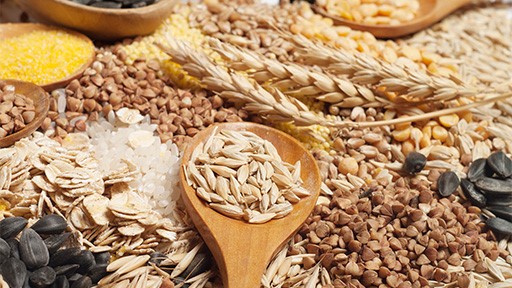
Mycotoxins are toxic compounds that are naturally produced by certain types of moulds (fungi). Moulds that can produce mycotoxins grow on numerous foodstuffs such as cereals, dried fruits, nuts and spices. In Pakistan food production is dramatically affected due to microbial spoilage. The presence of mycotoxins is hazardous for human health and animal food chain. Mycotoxins are metabolites of fungi and are mainly present in the form of fumonisins, aflatoxins, ochratoxins, deoxynivalenol, trichothecenes, zearalenone and patulin. Exposure to mycotoxins can happen either directly by eating infected food or indirectly from animals that are fed contaminated feed, in particular from milk.
Mycotoxins are reported to be carcinogenic, tremorogenic, haemorrhagic, teratogenic, and dermatitis to a wide range of organisms and cause toxic responses under naturally occurring condition. A variety of agricultural products such as wheat, corn, barley, apple, citrus and mangoes, dry fruits are produced and exported to other parts of the world but mycotoxins contamination is affecting export of agricultural products from Pakistan. The Food and Agriculture Organization (FAO) estimated that about 25% of the world’s agricultural production is contaminated with mycotoxins which is also a matter of concern for farmers in Pakistan. They face losses in the form of lower quality of crops, reduced crop yields, reduced animal performance and reproductive capabilities, and increased disease occurrence.
It is suggested that international trade in fresh fruits influence significantly due to plant pathogens which infect fruits either prior to or after harvest during transit and storage conditions. It is estimated that about 20-25% of the harvested fruits are decayed by mycotoxins which influence the fruits economic value and human health. For example, Patulin, is produced by Penicillium specie is a main component that affects apple juice industry while orange juice and fermented fruit beverages are also susceptible to mycotoxin contamination from Fusarium and Aspergillus species. Fruits and vegetables preservation by sun drying process is a common practice in Pakistan. Both fruits dried for preservation purposes such as dried apricots, plums, dates and dried figs, and dried nuts are more vulnerable to fungal infections and mycotoxins. The preserved fruits are exposed to mycotoxins during drying process in trays while dried nuts are usually exposed to fungal infections during drying periods on trees.
At present Pakistan faces export restrictions by Japan (mangoes), Philippines (citrus fruit) and Italy (apple) due to pesticide, insecticide contamination and quarantine issues. It is unfortunate that lack of survey data on the prevalence and level of mycotoxins in fruit products makes the risk assessment of mycotoxins in food commodities challenging in Pakistan. The contamination of mycotoxins in the food chain is an inevitable and poses serious threat to food safety. To overcome these problems public awareness among different stake holders like farmers, processors, exporters and consumers may be helpful to combat the situation has to be created along with the adoption of proper pre-harvest and post-harvest technologies can play an imperative role. Mycotoxin contamination in our local foods is posing a serious threat to Pakistani population resulting in increase of several chronic and acute diseases. The situation is alarming for policy makers as well as masses.
by: Abeer Arshad




Leave a Reply
You must be logged in to post a comment.