
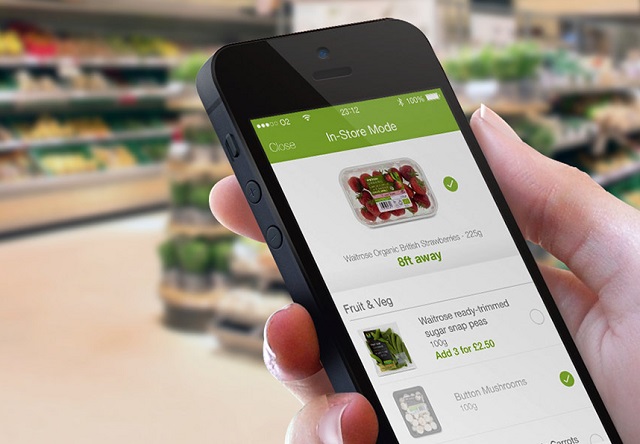
Running a brick-and-mortar retail business requires a very different approach than running an online storefront. Marketing efforts, product offerings, shipping considerations and even the ways in which you accept payment may have to be either modified or changed completely. When making the switch to online selling, brick-and-mortar business owners must consider new strategies for success and growth.
Reevaluate Your Ideal Customer
Customers who purchase from your online store may be very different from and have very different needs than the customers who shop at your retail store. Because they don’t have a physical store’s limitations such as staffing, store hours and foot traffic reach, online stores can generally reach a much broader variety of customers. Your business must do some market research, including analysis of your online competitors, to develop a clear picture of your ideal online customers’ needs.
Reconsider Your Inventory
Online shoppers may not purchase the items your retail shoppers favored, or they may not purchase those items in the same quantities, styles and volume. Use e-commerce analytics to keep track of your sales, and run careful reports to monitor the differences in customer demands so that you can adjust your business strategy and online storefront accordingly.
Your retail store also didn’t have the shipping and packaging considerations of an online store. Items that your retail shoppers were able to pick up in person may be too large, too heavy or too fragile to ship easily and cost-effectively. Though you’ll likely be able to repurpose some of your retail infrastructure, such as your existing storage space, marketing materials and a barcode scanning system, you may still need to make some adjustments. Research appropriate packaging materials to obtain boxes and packing materials that meet your budget and your customers’ expectations. Past a certain volume, you may need to hire additional staff to help with packaging the items you need to ship.
Rethink Customer Service
In contrast to retail customers, many Internet shoppers expect online stores to have multiple round-the-clock customer service channels, each with consistent and prompt response times. Set up at least two customer-facing customer service channels for your shoppers to receive answers to their questions, check their order statuses and get shipping, billing and return information. Use a customer relationship management (CRM) solution specially tailored to online businesses. Implement a simple help desk solution to publish frequently asked questions and allow users to submit support requests that you can easily manage and delegate. Be prepared to field customer service requests through any social media channels your business may have, too.
Set Up Online Payments
Accepting payments online can be a little more complicated than accepting payments in person. You can integrate a third-party payment processing solution such as Stripe or PayPal to handle online payments for you through your online storefront. You can also continue to use your retail store’s existing merchant account solution. However, readying the merchant account to accept online payment usually entails also employing a third-party payment gateway such as Authorize.net, and your online store will at minimum need a security or SSL certificate to encrypt your company’s data securely.
Redesign Store Workflow
The day-to-day operations of an online store can differ radically from those at a retail establishment. Give some thought to what you and your staff will need to make the shift to fulfilling all of your sales and reporting online. You may need to reconsider your current staff’s capabilities and job duties. You can also use workflow software to implement business processes for handling and processing online orders, or you can design one that’s tailored to your exact business needs.
Making the switch from retail to e-commerce will almost certainly mean a fundamental shift for your business. But companies can help ensure a smoother transition by giving careful consideration to customer needs, existing infrastructure and staffing and the same strong commitment to excellence that won over so many of your retail customers.
By: Dennis Hung
Tags: business, Making Swtich, Online store, technology




Leave a Reply
You must be logged in to post a comment.