

Anger is a negative experience so closely bound to pain and depression that it can sometimes be hard to know where one of these experiences ends and the others begin. There are a number of actions you can take to keep anger from eroding your life.
Anger is a negative experience so closely bound to pain and depression that it can sometimes be hard to know where one of these experiences ends and another begins. Pain is never just about the body—it has emotional and physical components. The emotions play a huge role in the experience of pain, and pain is intimately associated with depression. It’s long been known that the psychic pain of depression feeds anger. But, just as often, anger fuels depression.
A powerful emotion physiologically and emotionally, anger often feels good—but only for the moment. It can be the motivating force that moves people to action. But there are good actions and bad, and it is important to distinguish between the two.
Anger is usually anything but subtle. It has potent physiological effects. You feel it in your chest. You feel it in your head. You feel it coursing through your body. Nevertheless, anger can be insidious. It confers an immediate sense of purpose. At least in the short run, anger is a shortcut to motivation. So, we spend lots of energy righting “wrongs,” but anger also creates a cycle of rage and defeatism.
When you feel anger, it provides an impulse to pass the pain along to others. The boss chews you out, and you then snap at everyone in your path. Anger, however, can eventually lead you into self-pity, because you can’t slough off the self-hurt.
Anger is classically a way of passing psychic pain on to others. It’s a way of making others pay for your own emotional deficits. It is wise to change that tendency. Whether or not anger fuels depression, it isn’t good for the enjoyment of life.
There are a number of actions you can take to keep anger from eroding your life:
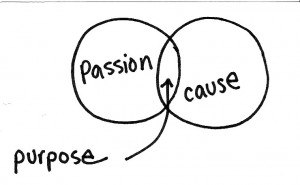
Insisting that life be fair is not only irrational, it will cause you to collect injustices done to your noble self. Even if you are experiencing nothing more than your fair share of unfairness, such a belief can still fuel rage and lead to depression. The rage is totally inert, because you believe there is nothing you can do about the unfairness. Self-pity is another description of the same feelings of helplessness. Notice your own complaining. Listen for both overt and covert complaining. Overt complaining hassles others. It’s really a manipulative strategy. Know when it’s becoming a downer and a barrier to a strategy of effectiveness—like complaining about a fly in your soup. Covert complaining hassles you. It drags you down into passivity and inertia. Once you notice it, determine to give it up. Once you can accept that life sometimes is unfair, then you can pursue positive purpose. You can work constructively against injustice to rectify the unfairness you find, transforming your anger into passion. Or you can pursue fulfillment in spite of the unfairness that exists.
http://www.psychologytoday.com



Leave a Reply
You must be logged in to post a comment.