
Being anxious is a normal human behavior but when a person often feels disproportionate levels of anxiety, it might become a medical disorder. Anxiety disorders are a type of mental health diagnoses that lead to excessive nervousness, worry, fear and apprehension. According to the American Psychological Association (APA) definition of anxiety is “an emotion characterized by feelings of tension, worried thoughts and physical changes like increased blood pressure.” The difference between normal anxiety and anxiety disorder can be identified by proper medical attention only.
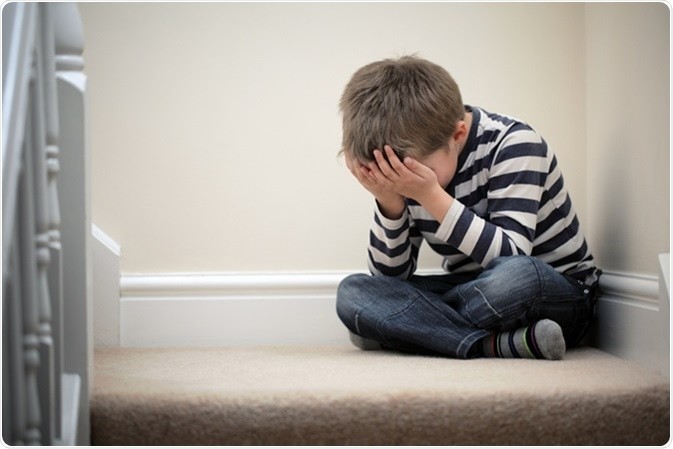
Like adults, children also face anxiety and anxiety disorder. Anxiety in children has many reasons, such as family disputes, and separation from parents or negligent attitude of parents. Anxiety involves the child’s thoughts and emotional states. It often results in a negative perception of life, causing distress and an inability to live life normally. Fears are common in children, but the presence of such feelings is not indicative of an anxiety disorder. Such disorders are, however, the most common form of mental disorder in children. They are manifested by extreme fearfulness, sadness or depression.
Causes of anxiety in children
A genetic or environmental contribution do play their role, because prevalence of childhood anxiety is higher in the children of anxious parents. This could be attributed to the style of parenting, the type of communication between parents and children, or individual variation in the way one perceives and handles stress. An excessively protective or dominating parent may negatively impact the manner in which the child learns to face challenging situations.
Many children have fears and worries, and may feel sad and hopeless from time to time. For example, toddlers are often very distressed about being away from their parents, even if they are safe. Although fears and worries are typical in children, persistent or extreme forms of fear and sadness could be due to anxiety or depression. When a child does not outgrow the fears and worries that are typical in young children, or when there are so many fears and worries that they interfere with school, home, or play activities, the child may be diagnosed with an anxiety disorder. Anxiety may present as fear or worry, but can also make children irritable and angry. Anxiety symptoms can also include trouble sleeping, as well as physical symptoms like fatigue, headaches, or stomachaches. Some anxious children keep their worries to themselves and, thus, the symptoms can be missed.
Parental communication and guidance can help children to overcome anxiety. This may involve teaching children how to overcome their emotional swings, talking to them about their fears and providing unconditional support and assurances of love by words and deeds. A child is like a growing tree. Just like a tree needs water, soil and care similarly a child required both physical and emotional support from the parents. A child is most close to his parents, having a good communication can allow a child to pour his heart out and talk about the fears and worries. So, having a good communication can help your child get rid of anxiety.
by: Abeer Arshad




Leave a Reply
You must be logged in to post a comment.