

Climate change is resulting in the melting of glaciers, forming glacial lakes. Glacial lakes are not stable like the ordinary lakes in which people go for swimming or boating because they are often dammed by ice or glacial sediment called a moraine, which is composed of loose rock and debris that is pushed to the front and sides of glaciers.
NASA has recently carried out a study to analyze the impacts of climate change. This global survey revealed the dramatic growth of glacial lakes. Researchers have found that the volume of water in these lakes worldwide has increased by about 50% since 1990. In the largest-ever study of glacial lakes, researchers using 30 years of NASA satellite data have found that the volume of these lakes worldwide has increased by about 50% since 1990 due to the rapid melting of glaciers attributed to climate change. This study also highlighted the potential hazards to communities downstream of these often-unstable lakes. It also helped in improving the accuracy of sea level rise estimates by understanding of how glacial meltwater is transported to the oceans.
NASA team used satellite imaging and other remote-sensing techniques to study more than two dozen glacial lakes in High Mountain Asia, the geographic region that includes the Tibetan Plateau and surrounding mountain ranges, including the Himalaya.
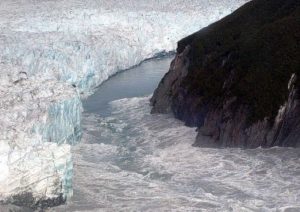
Glacial lakes are becoming deadly as Himalayas are melting. New research has found that more glacial lakes in the Himalayas are forming, out of which 47 are critically dangerous and could burst, flooding downstream areas in Nepal, China and India. Of the 47 lakes, 25 are in the Tibetan Autonomous Region of China, 21 in Nepal and one in India. Expanding lakes increase the risks of glacial lake outburst floods (GLOFs) and causes the sudden releases of large quantities of water that wreak havoc on mountain communities. Glacial lakes are very unstable and can burst their banks or dams, causing massive floods downstream. These kinds of floods from glacial lakes, known as glacial lake outburst floods, have been responsible for thousands of deaths over the past century, as well as the destruction of villages, infrastructure and livestock. A glacial lake outburst flood affected the Hunza Valley in Pakistan in May 2020.
Several studies have shown that glacier-covered areas in the Himalayas have decreased significantly in the past three decades as temperatures have risen by more than double the global average. If global temperatures rise above 1.5C by 2100, two-thirds of glacier ice in the Himalayas will be lost. As glaciers melt, new lakes have formed and existing ones have expanded.
Experts have urged that transboundary corporation is required in monitoring glacial lakes and reducing the risks they pose to the local community. Researchers in upstream and downstream countries should work together to address the problem. The United Nations and some other organizations are facilitating a lot of monitoring and some mitigation work in vulnerable areas. By doing this, they are trying to lower the lakes to decrease the risks. But still a lot more efforts are needed.
by: Abeer Arshad




Leave a Reply
You must be logged in to post a comment.