
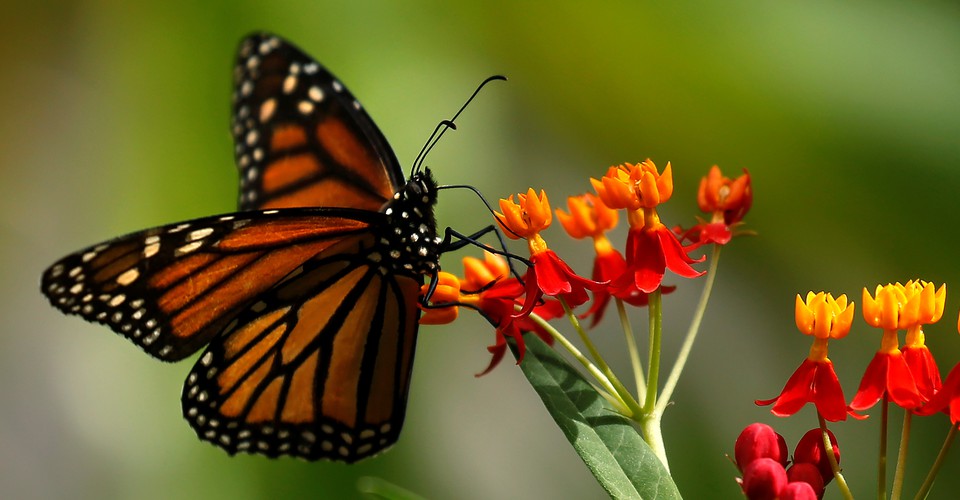
Butterflies have always held a special kind of fascination for mankind and particularly for the nature lovers. They played a central role in numerous studies related to biodiversity, archeology, arts and poetry. Moreover, these scaly-winged beautiful insects, are not only for the pleasures of the scientific or creative mind but are also an important part of ecosystems throughout the world. They and their moth relatives continue to be important as pollinators for flowers and, in their larval stage, as food sources for birds and as herbivores that keep plant populations in balance.
A recent United Nations panel on biodiversity reported that there are one million species of insects that are threatened with extinction. Most of those are the insects that make up two-thirds of the earth’s species. What we know about these vanishing insects is largely informed by scientific studies that show the alarming, decades-long decline of butterflies, including those listed under the Endangered Species Act. By 2013 it was believed that some of the most cherished species of all—butterflies—showed signs of a significant decline in population if not outright disappearance. Whereas slugs, mites, flies, or squid might not garner the due attention of the public, butterflies are emblematic, and they can serve as flagship species for a world at risk of losing much of its biodiversity.
Butterfly numbers continue to decline in many areas of the world owing to anthropogenic activities. The impact from human induces changes such as habitat destruction and pollution is quite obvious. Alarmingly, current trends pertaining to human development, agriculture, and pollution have caused several butterfly species to go extinct and have placed many others under considerable ecological pressure. Below are some of the threats faced by butterflies:
Rapid human development in the last few decades has caused troubles for biodiversity. Likewise, butterflies have also suffered greatly. Habit destruction as a result of deforestation is one of the major cause of threatening of butterflies. Endemic species of butterflies more vulnerable to extinction. Although human development in our cities has largely destroyed the habitat of some species, others have had their habitats fragmented. To thrive, many organisms require one large area rather than several smaller separate regions. Thus, human development and the resultant habitat fragmentation can be sufficient to cause the extinction of a species. Mining and agriculture activities cause habitat fragmentation.
The threats of invasive species and poorly managed pesticide use can be sufficient to eliminate a species from an area, even without overt habitat destruction. Pesticide used on the crops have negative effects on butterfly populations. It is vital to closely monitor the use of pesticides. Invasive species too have become an increasing problem. Wildlife managers are worried that nonnative fire ants might eat butterfly eggs and caterpillars and that the African snail might destroy host-plant vegetation.
As has been well documented, the effects of future global warming are not always warmer temperatures: climates can become colder, wetter, or drier for various regions, all factors that can affect plants and animals in ways that are difficult to predict. Some species, such as arctic land mammals, could appear to benefit from predictions that their range might be extended. Using years of butterfly survey data and global climate change models, scientists have predicted that the populations of more than half the butterfly species in the U.K. are expected to expand in range, a circumstance that typically translates to a higher, more diverse population and a lower risk of extinction. Though this range shift might appear to be good news for butterflies, it comes with a dark side. It is unclear how these populations of butterflies would influence the other species in the areas into which they expanded, and it could bring a range extension for any parasites or viruses that could accompany the butterflies. Not all butterflies in the world have ranges that could extend or shift well in warmer weather, as many species of butterflies have adapted for cooler high-altitude climates found in mountain ranges.
Caterpillars does not feed on all the plants. Extinction of certain plant species also causes reduce in the number of butterflies as they don’t get enough food. For example, Monarch caterpillars feed on milkweed, the loss of milkweed habitat has been attributed to a decline in Monarch butterfly species.
There is still time to save the rarest butterflies from extinction. Recovery can be achieved but it requires studying butterfly’s biology, natural landscapes, and often unexpected natural forces, and scientists are reliant on the protection of legislation like the Endangered Species Act to make this evidence-based restoration work worthwhile.
by: Abeer Arshad




Leave a Reply
You must be logged in to post a comment.