
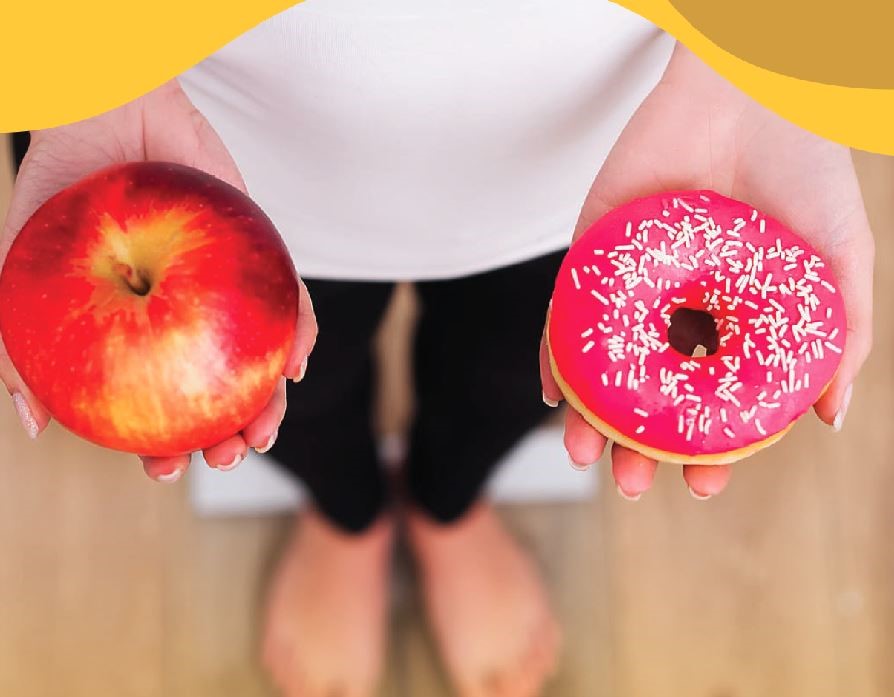
Obesity is a common issue of today’s world. Obese people generally face more health issues as compared to the slim people. To control this issue, people go on DIET. Dieting is a conscious effort of eating food in a planned and controlled way to decrease, maintain, or sometimes to increase body weight. It implies restriction of certain fattening foods and drinks, cutting meal sizes to limit calorie intake, just to get rid of obesity by losing some extra pounds of your body weight.
For the management of obesity, several diet plans have become popular among the masses. Television commercials, talk shows, social media and fashion magazines all talk about them. Many women have become obsessed with these plans because they want to drop the dress size as soon as possible. But the concept of dieting and diet plans both need to be reconsidered.
Unfortunately, nowadays, dieting is considered as synonymous with a quick fix for obesity and weight-related problems, just like quick get-rich schemes. Dieting is beneficial but only when done in a healthy way. All these fad diets like master cleanse, tape worm diet, baby food diet, cabbage diet, soup diet, grapefruit diet, juice cleanse and the cotton ball diet, are ineffective in one way or the other. Instead of fixing the problem, these have become a problem themselves leading to serious health issues. These diets do not result in sustained weight loss for the majority of people. Two-thirds of individuals who diet will regain more weight than they lose. Here are some harmful effects of excessive dieting:
A sudden drop in blood sugar level, when we are hungry can impact our mood. Hormonal changes and hypoglycemia contributes to negative mood states; long-term hypoglycemia is a risk factor for developing depression-like behavior.
By restricting your calories, you restrict your energy, which as a result restricts your brainpower. Fixating about food and weight causes stress and anxiety to the dieters and actually can consume a portion of their ‘working memory capacity’. Numerous studies link chronic dieting with feelings of depression, low self-esteem, and increased stress as it triggers an increase in stress hormones like cortisol, which are linked to weight gain.
We all are familiar with the hazards of hunger-fueled anger, termed as being ‘hangry’. It is aptly said a hungry person is an angry person. Hunger cues our body that we need fuel, and when that need is not satisfied, we suffer from weakness, irritability, agitation, and aggressiveness.
Individuals on diets have slower reactions and a lesser ability to concentrate than people not on a diet. A new study suggests that we should avoid making major decisions concerning future on an empty stomach.
When you diet to reduce weight quickly, your body responds to the calorie restriction by turning on its self-preservation or starvation mode and physiologically it slows down your metabolism. A slower metabolism means you burn fewer calories per day. This drop in metabolism may continue even after you have finished dieting with more fat and loss of muscle.
A low-calorie diet regularly may not be providing you enough vitamins, iron, calcium, folate, and magnesium, putting you at risk of extreme fatigue, migraines, muscle cramps and anemia. Besides, the inadequate amount of carbohydrates you consume may also contribute to fatigue.
The continuous fluctuations in weight have damaging effects on the skin, especially on the face. Lack of proper diet deprives your body of all the nutrients that are beneficial for ski and hair and hence causes them long term damage.
Excess of everything is bad. It is advisable to consume nutritious and well balanced diet. For this, eat less sugar and processed foods, more vegetables and whole foods and avoid taking stress as
it raises the level of cortisol in your body making you eat more. Indulge yourself in activities that interest you and make you happy, like, gardening, sitting in fresh air, taking an evening walk to relieve stress and promote relaxation.
by: Abeer Arshad




Leave a Reply
You must be logged in to post a comment.