
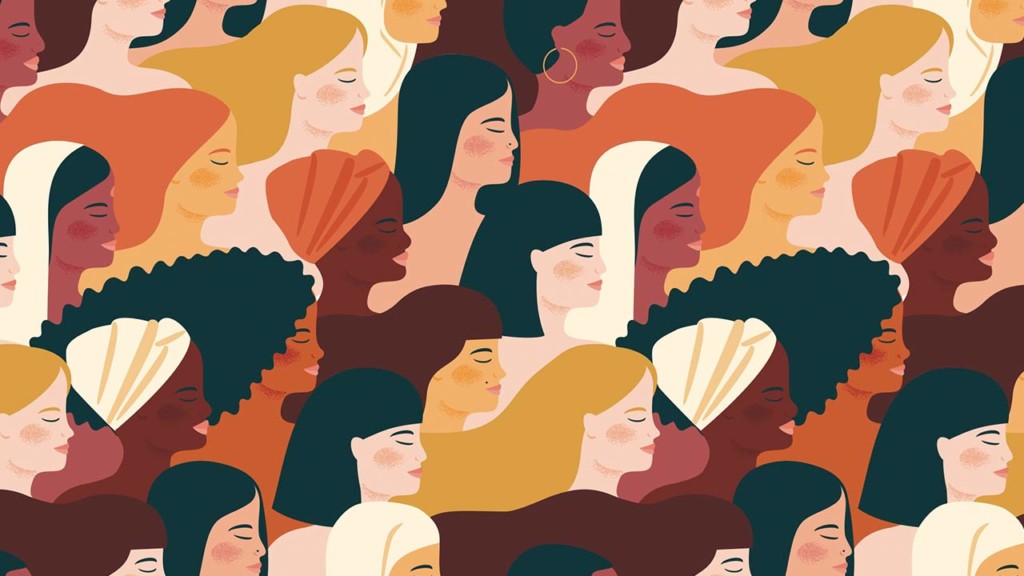
Women contribute to almost half of the world’s population, but their contribution in economic growth, and well-being is far below its actual potential, with severe macroeconomic consequences. Despite the significant advancement in recent decades, labor markets throughout the world remain divided on the basis of gender, and it is very unfortunate that progress towards gender equality appears to be very slow, if not hindered.
It is quite evident that female labor participation has remained lower than male participation. Women are hired mostly for most unpaid work; when women are employed in paid work, they are over-represented in the informal sector. woman also face noteworthy wage differences in comparison to their male counterparts. In many countries, discrimination in the labor market limit women’s options for paid work, and female representation in senior positions and entrepreneurship consequently remains low.
It is now a known fact that the challenges of growth, creating employment opportunities, are connected. Nonetheless, growth and stability are essential to give women the opportunities they need; in contrast women’s participation in the labor market is also a part of the growth and stability. To be specific, in rapidly growing economies, higher female labor force participation can enhance growth by addressing the impact of a shrinking workforce. Better opportunities for women can also contribute to broader economic development in developing economies, for instance through higher levels of school enrollment for girls.
When we look into the social setup of developing and under developed countries, women are among the vulnerable segments of society, looking for their political and economic empowerment. However, women’s political empowerment is not a goal in itself, but it helps in encouraging the society for political and social empowerment on the collective level, which would further encourage the overall development of society.
However, in Pakistan, where women are almost half the population, women inclusion in the economic domain is still a challenge. The sixth Population and Housing Census held in 2017 reveals Pakistan’s population has increased by 57 per cent, from 132.3 million in 1998 to 207.7 million. The Census also shows that women make up 49 per cent of the total population. The country has also adopted a number of key international commitments to gender equality and women’s human rights – the Universal Declaration of Human Rights, Beijing Platform for Action, the Convention on the Elimination of all forms of Discrimination Against Women, and the Sustainable Development Goals. Despite these commitments, Pakistan’s ranking for gender equality remains one of the lowest in the world.
According to the World Bank data for 2019, only 24% of Pakistani women above the age of 15 are actively involved in the labour force. In contrast, the figure for men in Pakistan stands at 81%. Even those who are part of the labour force are largely in the informal sector, receiving low pay and with few legal protections.
Internationally, Pakistan is ahead of only 15 countries in terms of female labour force participation rate. The deeper underlying causes of this phenomenon can be attributed to our cultural norms that we do not challenge on a daily basis.
Given the circumstances and the hindrances due to structural issues and factors for economic growth, we need to think of innovative ideas for economic stimulation. The most convenient one is putting the women who are half of the population, to work and increase productivity factor. This would help in boosting economic growth instead of a bubble economy. Although the road ahead is rough but we have to start somewhere.
by: Abeer Arshad



Leave a Reply
You must be logged in to post a comment.