
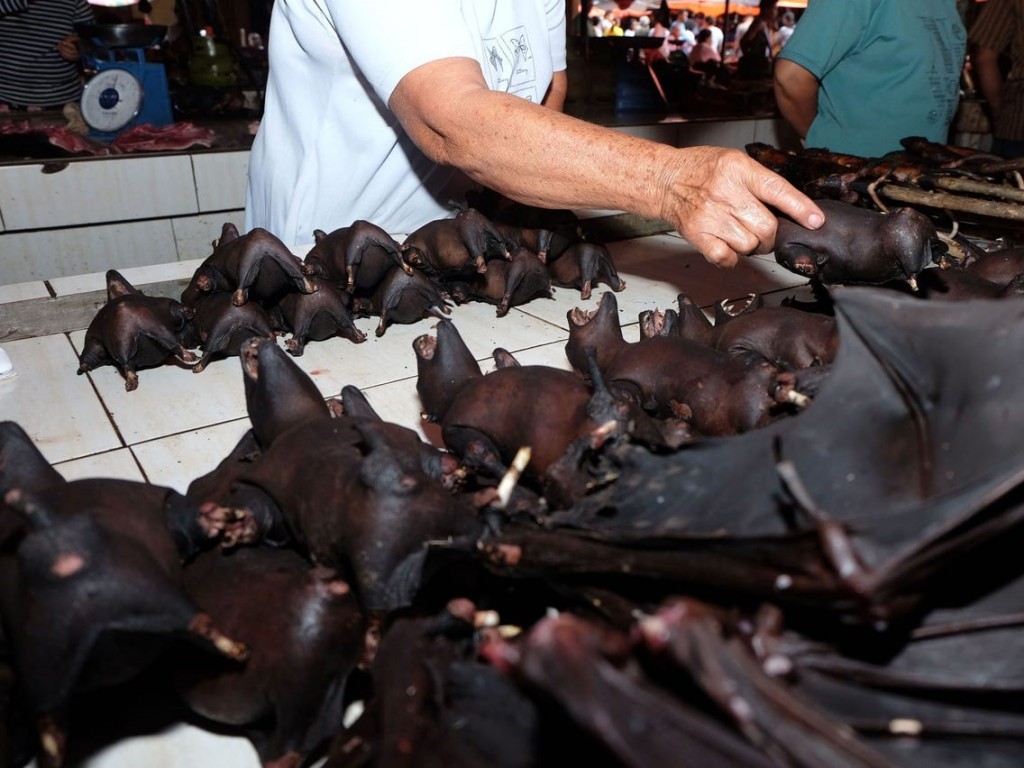
Amidst COVID-19 outbreak, China has put ban on trade and consumption of wildlife. Although the origin of COVID-19 is still unidentified, we should not forget that fact that China’s wildlife market has played an important role in the spread of the virus in China. Bats, pangolins and snakes are held responsible for transferring corona virus in humans. As a result of COVID-19 outbreak, , the National People’s Congress of China in late February issued a permanent ban on the trade and consumption of non-aquatic wild animals. Shenzhen become the first city in China to ban eating dogs and cats. This initiative is aimed at protecting public health.
This ban is imposed on the consumption of terrestrial wildlife as COVID is linked to wildlife consumption. However, there is no ban on the consumption of wildlife for medicinal use. China’s wildlife farming industry is very vast and contributes to the economy of the country. Restriction on consumption and trade in a short span can be very challenging. There are chances that conflicts may arise between the private interests of farmers and public health. Disposal of farmed animals is also a worrisome issue. Killing them would be animal cruelty and could pose new risks to human health. Releasing them into random habitats in the wilderness could threaten ecosystem stability. Furthermore, this ban will be a threat to the economic growth throughout the country.
The point to ponder upon is that whether this ban will work or not. This ban is absolutely correct, as these animals wildlife are known to transmit novel diseases to humans. The COVID-19 coronavirus probably turn out to have originated in a bat, pangolin or a bat. In 2002, severe acute respiratory syndrome (SARS) is believed to transmit from a civet cat to a human. Their medicinal use is not banned. Disease transmission risks exist during the process of hunting, storing, and transporting such wildlife for medicinal purposes, activities that will still continue. Even if the ban could be effectively implemented, the traditional medicine industry would continue to threaten wildlife. In addition to imposing a ban, the Chinese government should manage public health risks caused by diseases associated with wildlife, by working together with wildlife protection and animal health agencies and making decisions about wildlife policies based on scientific evidence. Grants and financial support should be settled to facilitate the transformation of the wildlife farming industry required by the ban. As changes are made, the government should keep information timely and transparent so as to encourage public participation in the reform of the wildlife protection system.
It is fortunate that most Chinese are in the favor of this wildlife consumption ban. To ensure that the rest of society is fine with the ban, social influencers and local media is working to dismiss the stories and superstitions associated with wildlife consumption. Although such myths may not be widely believed, but they influence enough people to drive demand and create the conditions for a global disaster. Effectiveness of the ban will totally depend on the government’s will to enforce the law.
by: Abeer Arshad
Tags: China has put ban on trade and consumption of wildlife.




Leave a Reply
You must be logged in to post a comment.